JRB Endless
JRB Endless
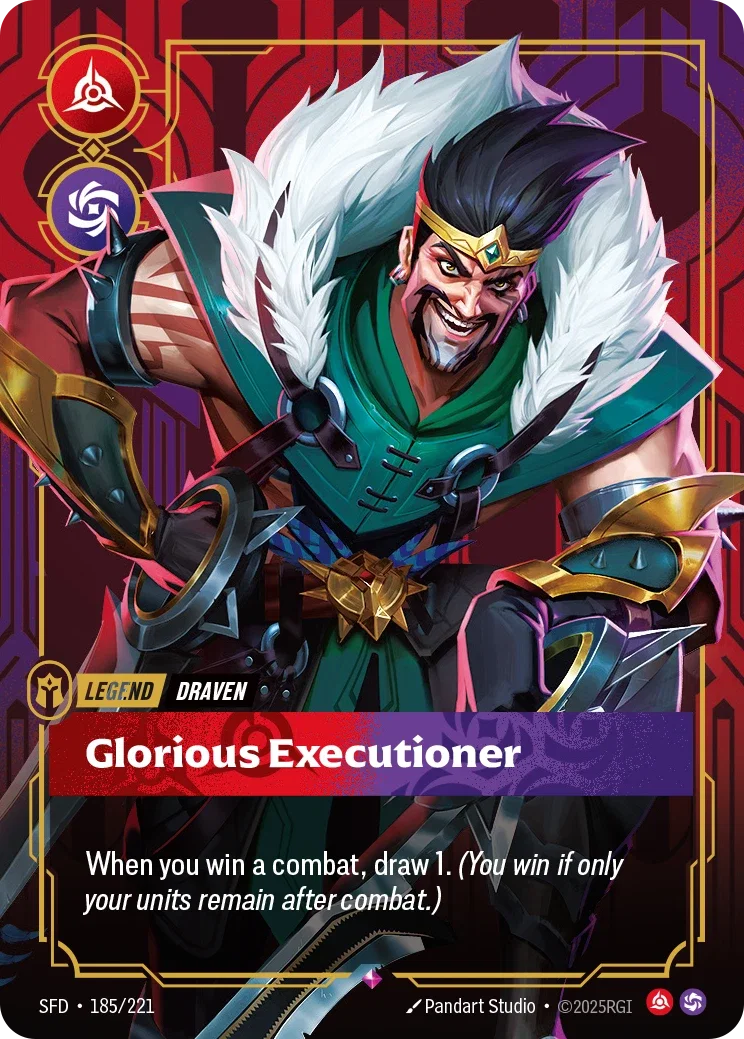
Draven, Glorious Executioner · Draven, Showboat
Legend1
Champion1
Runes12/12
Battlefields3/3
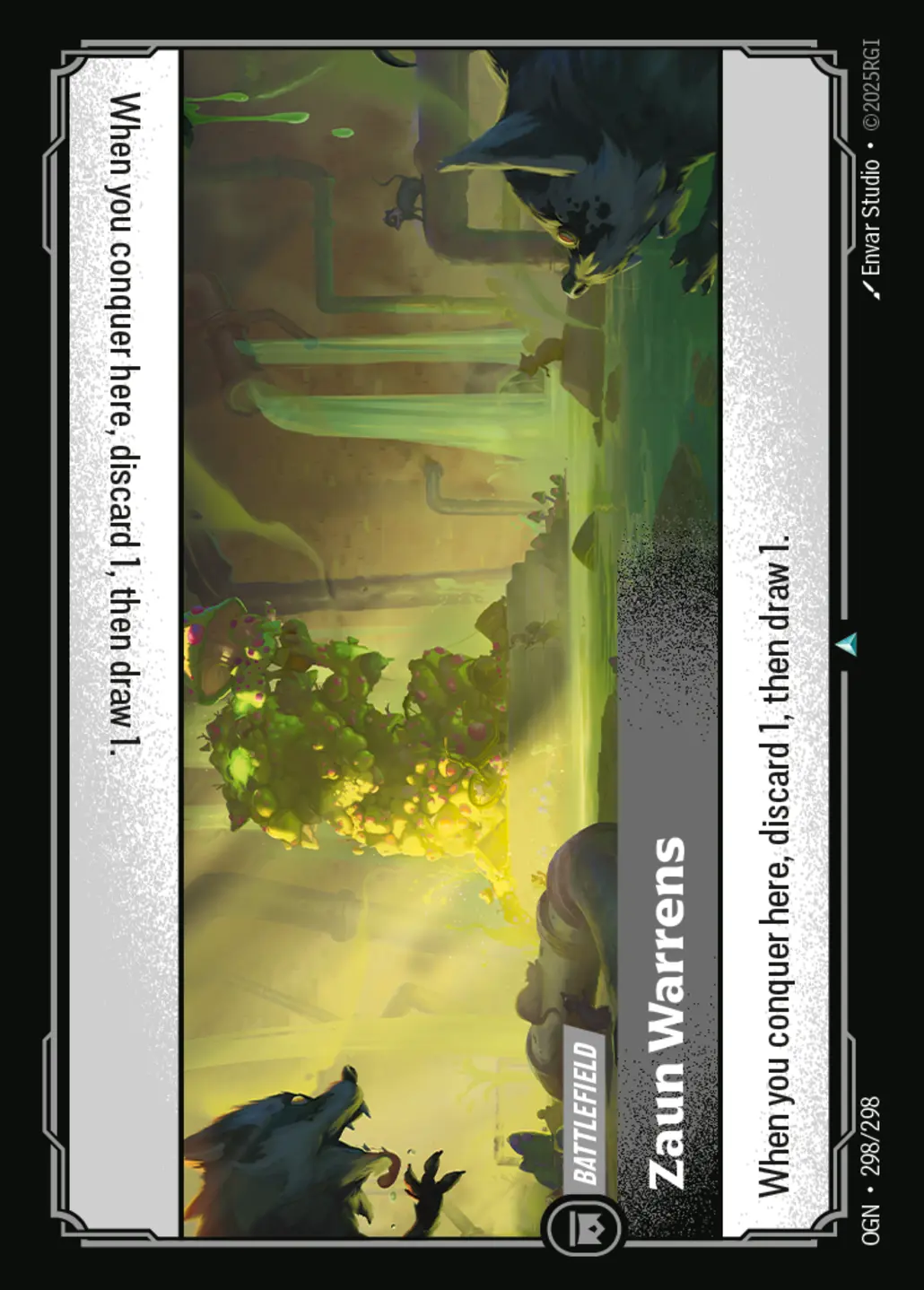
Main deck39/39
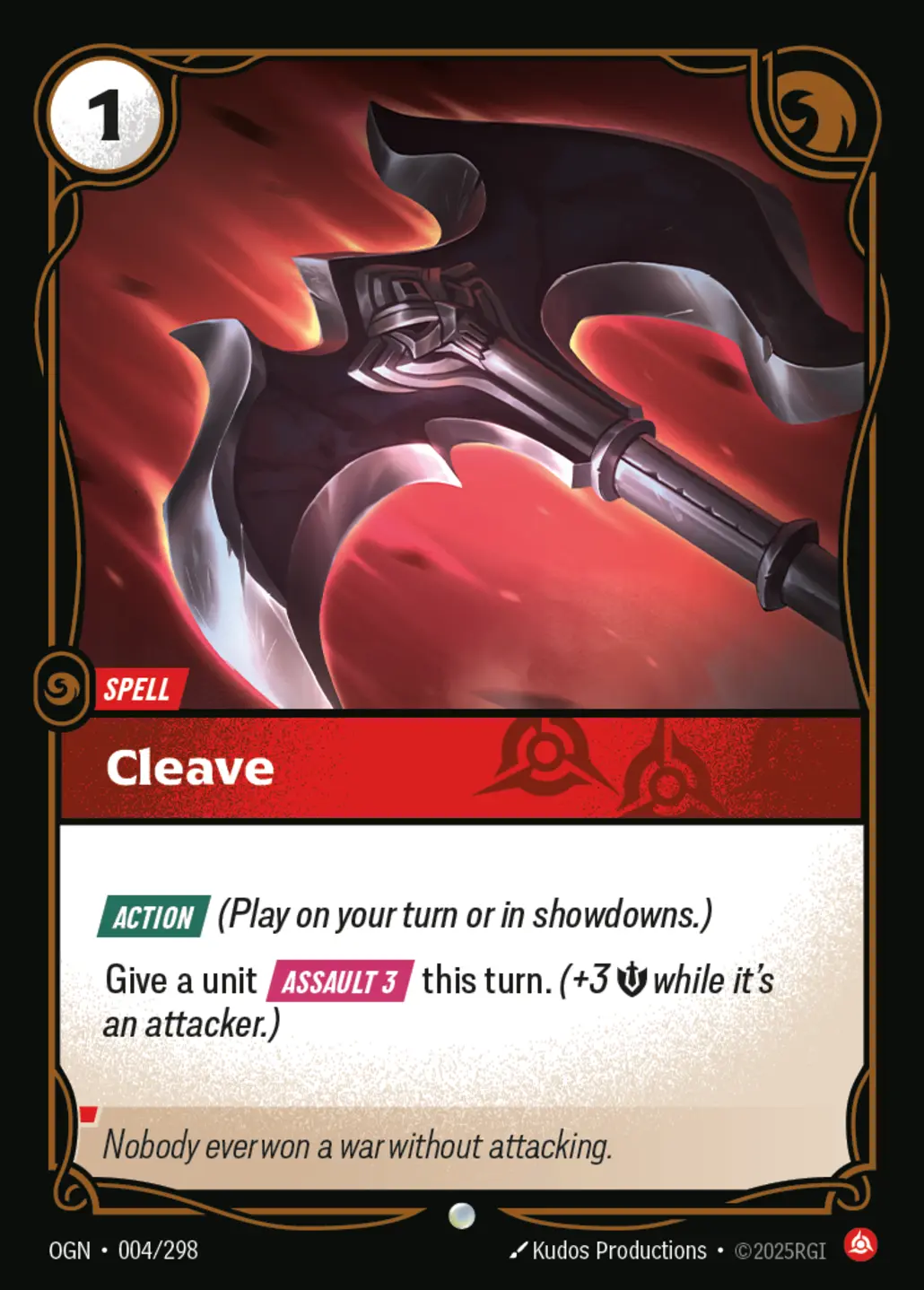
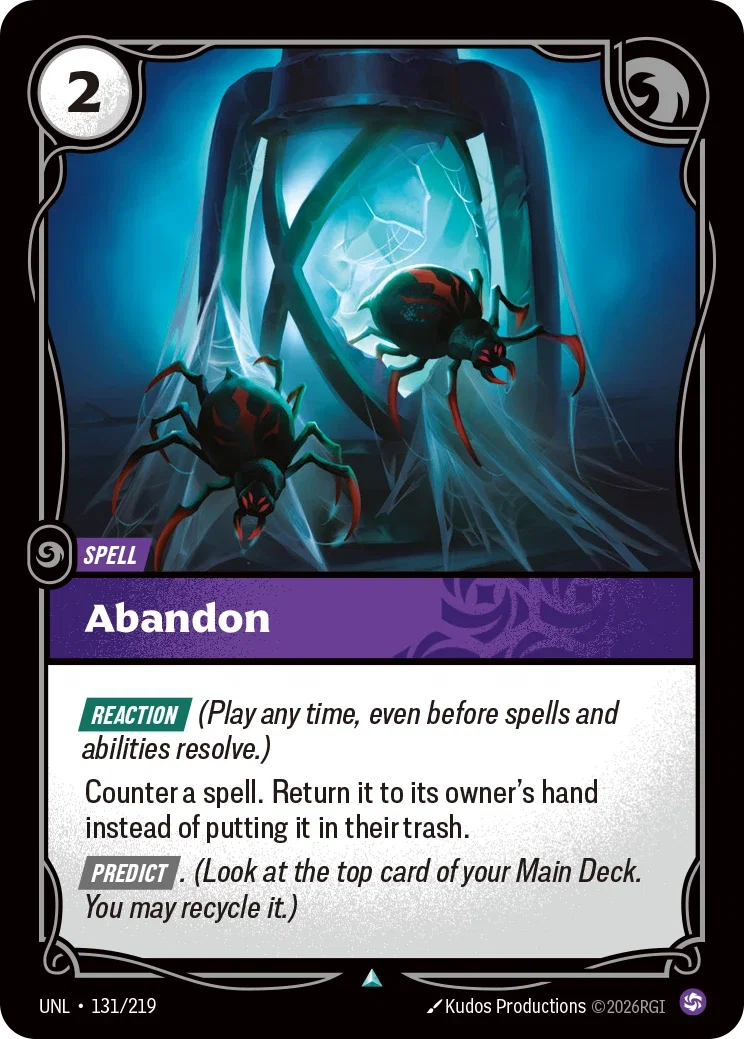
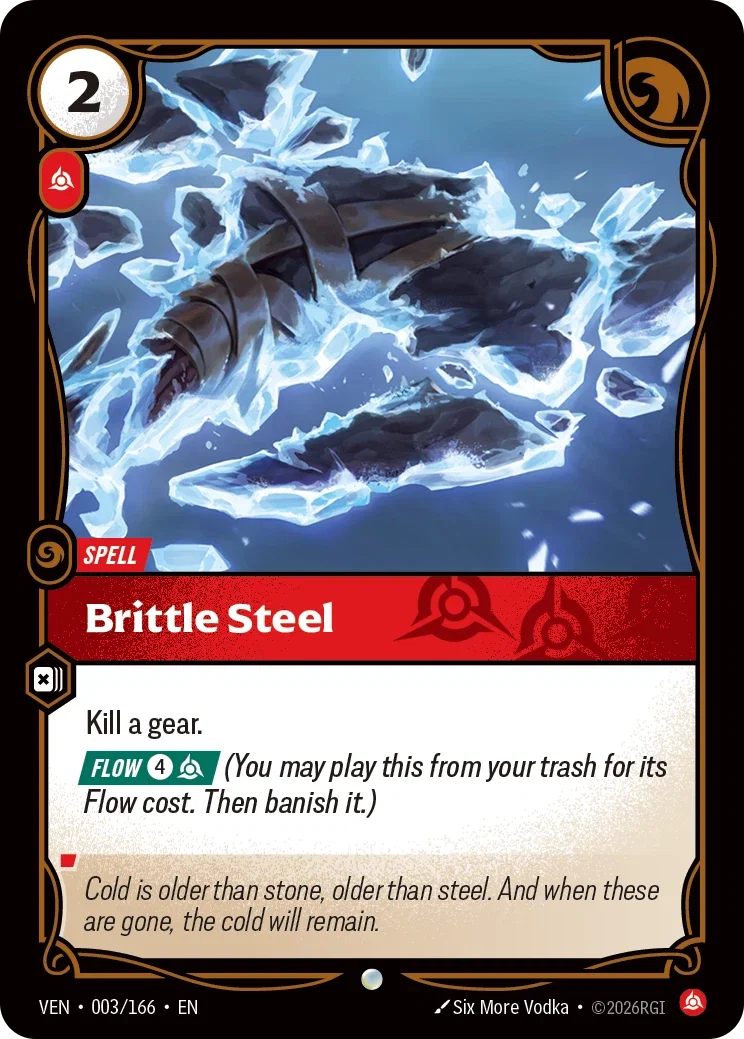
Sideboard10
Tournament recap · Barcelona
How JRB Endless and JRB ColdPhnx took Yasuo / Draven to a Top 4 at RQ Barcelona.
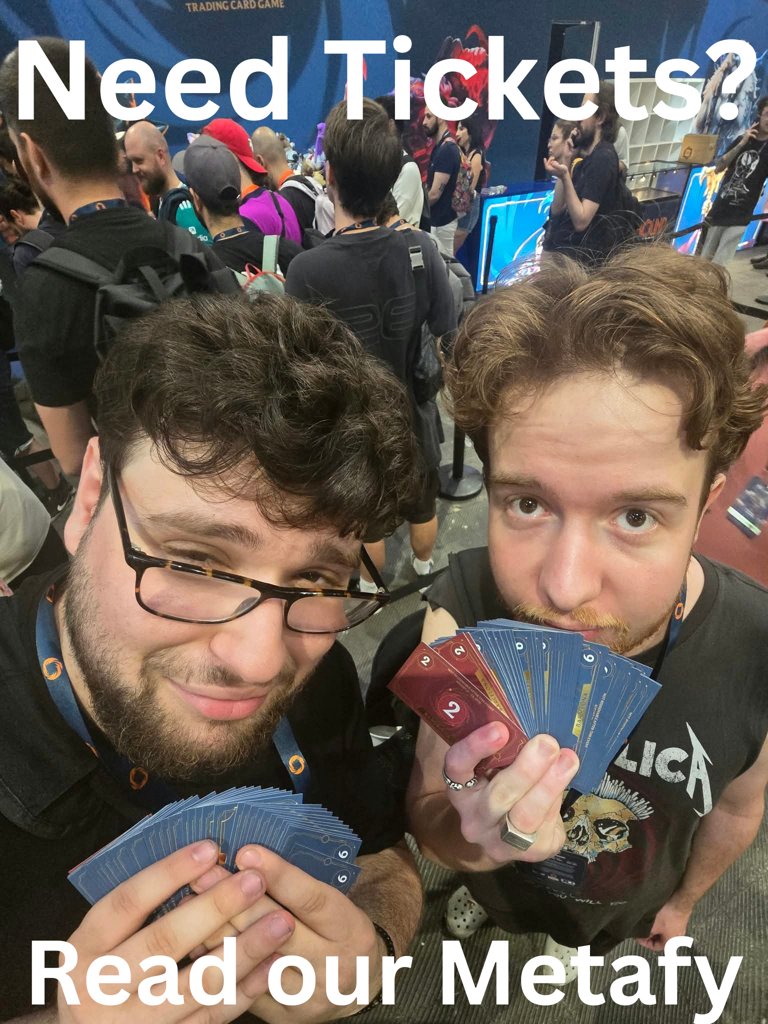
RQ Barcelona hosted the largest 2v2 Riftbound event to date. While on-demand events struggled to fire consistently and few individual players converted into the second day of the main event, the Sunday 2v2 Champions of the Rift sold out for the first time. It drew 240 teams competing for a Top 4 finish and 396 Prize Wall tickets per team (198 each). This is the story of how we got there.
After the Proving Grounds, Master Yi paired with Yasuo dominated the format. The July 2026 ban list was the first ever 2v2-specific ban list, and it removed Yi from the mode. Anyone who played 2v2 during that period will agree the ban was healthy for the format. A few lists had already broken through outside of Yasuo/Yi: Viktor/Yasuo and Draven/Yasuo both made Top 4 at RQ Hartford, and those teams published excellent Metafy guides covering their lists and the alternatives they had tested. We expected Yasuo's play rate to stay high, with Viktor and Kennen remaining popular partners, so we stuck with Yasuo.
This was the first major 2v2 event since the Proving Grounds Yi ban, and we, like many others, were curious to see how the meta would settle. If you have played 2v2 before, you know just how dominant the Yi/Yasuo share of the meta was. Because finding a consistent 2v2 partner to practice with is difficult, most players default to the best deck in the format, especially with so many tier-1 tickets on the line.
Looking at the ten most-played legends as a percentage of registered players in the Sunday tournament: because a team cannot include two copies of the same legend, the highest representation any single legend could theoretically reach is 50%. Yasuo led the field with 23% of players, meaning 46% of all teams had a Yasuo player. Highlighted bars are legends we actually faced; the counts are from the event dashboard.

 YasuoUnforgiven
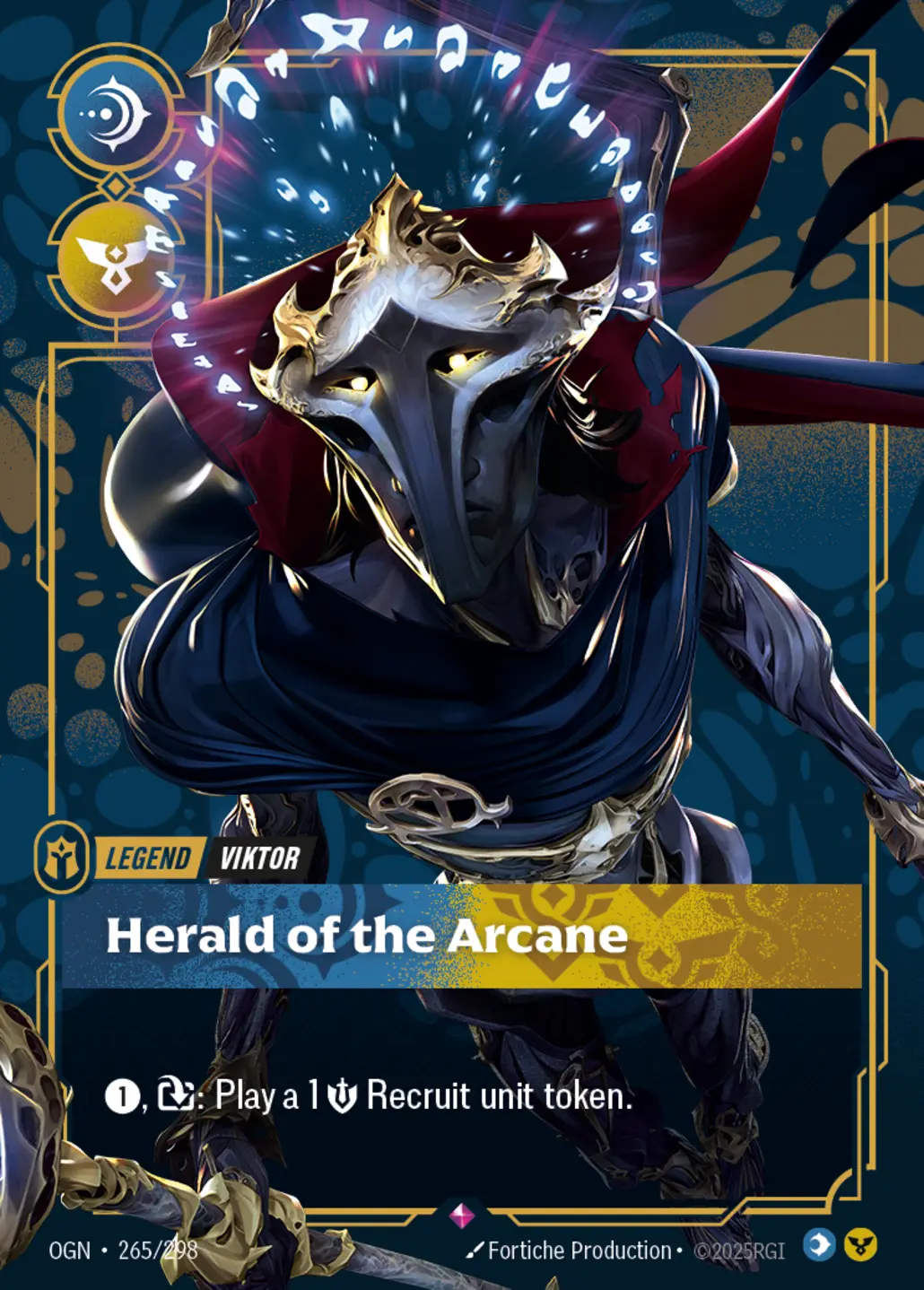
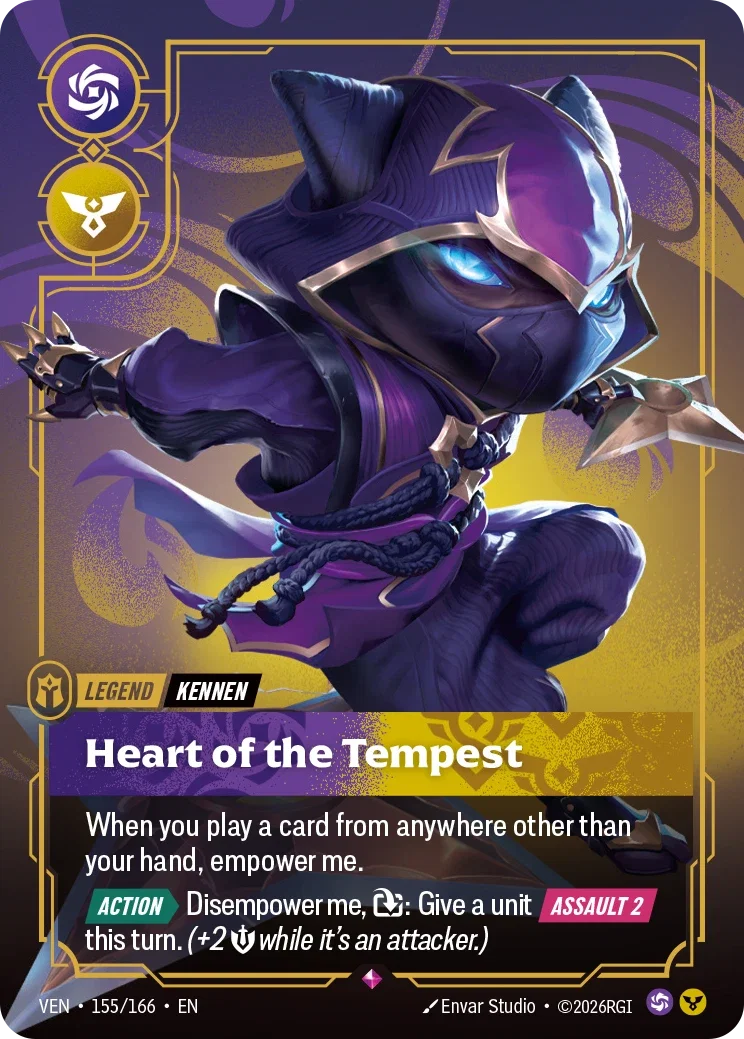
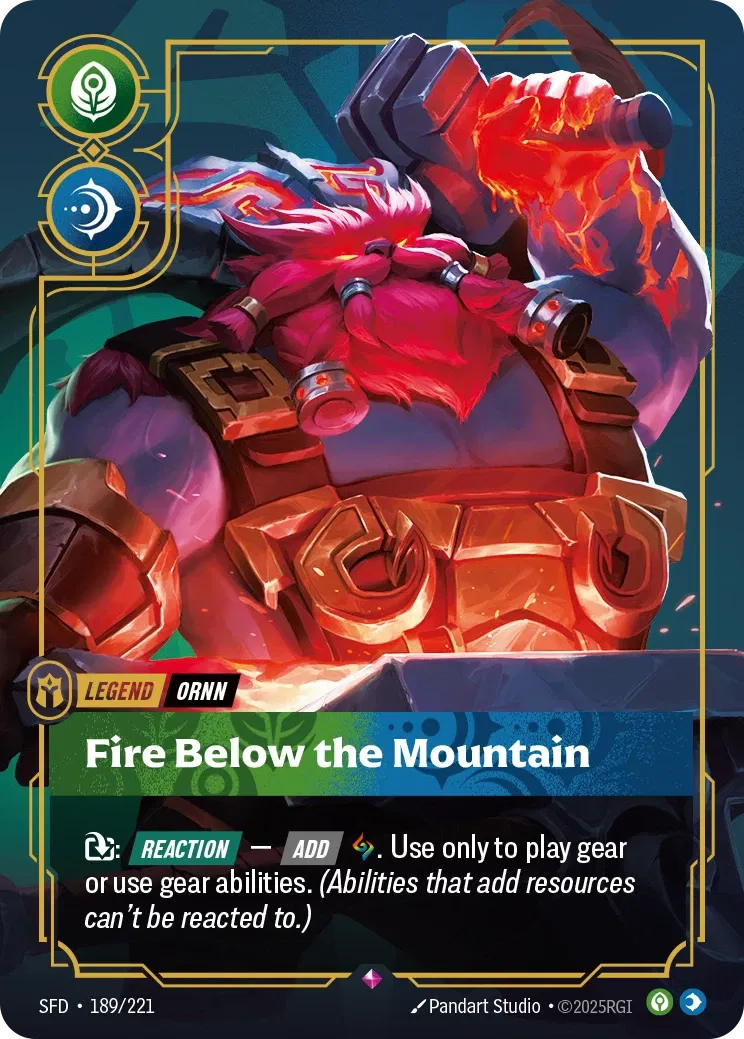
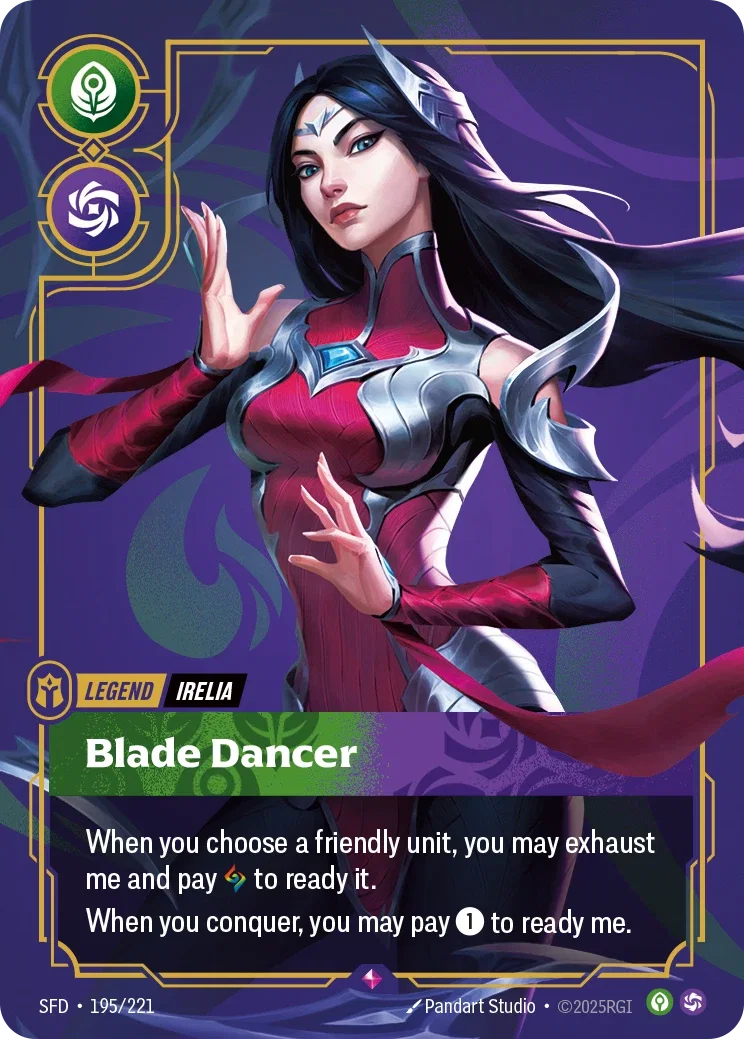
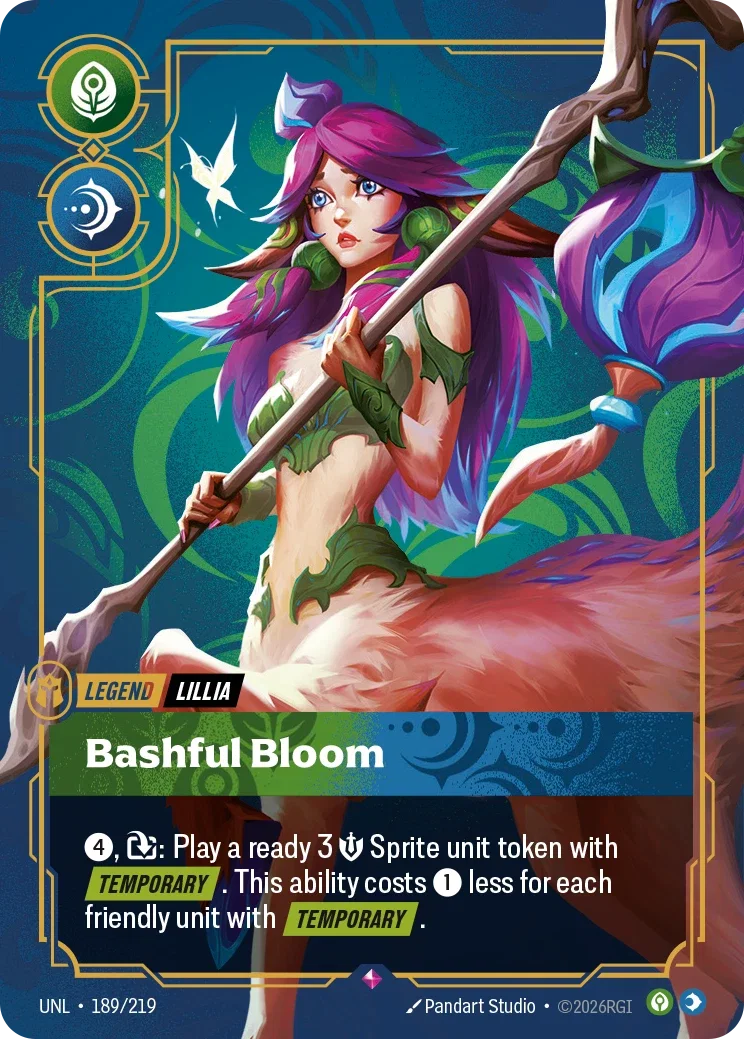
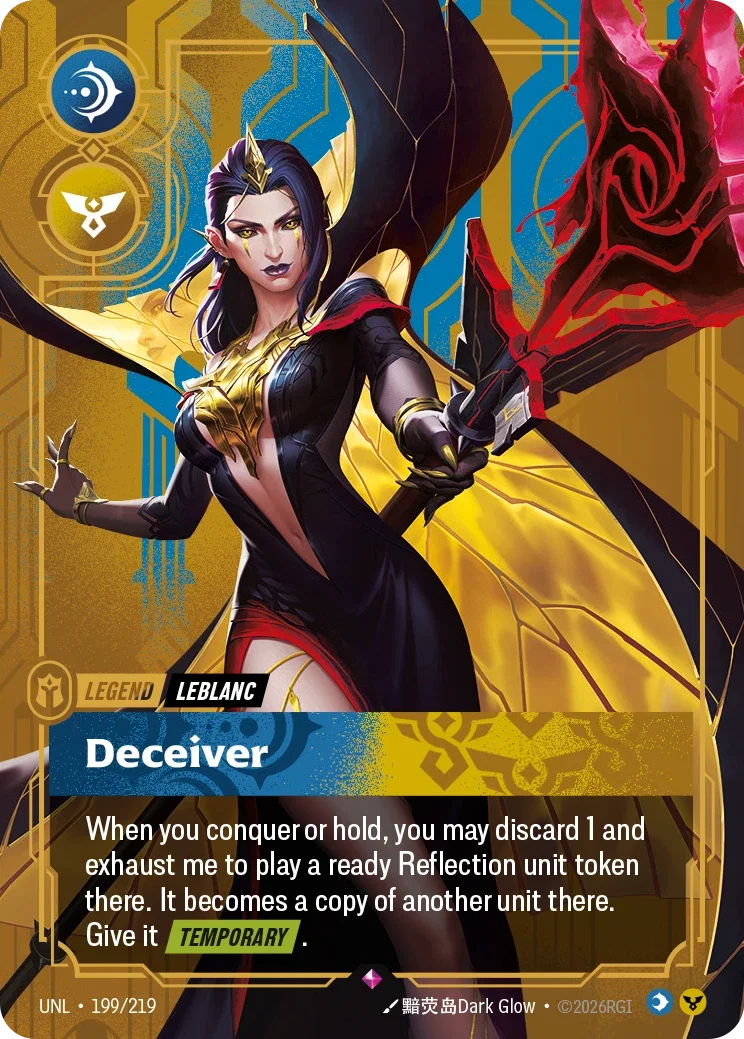
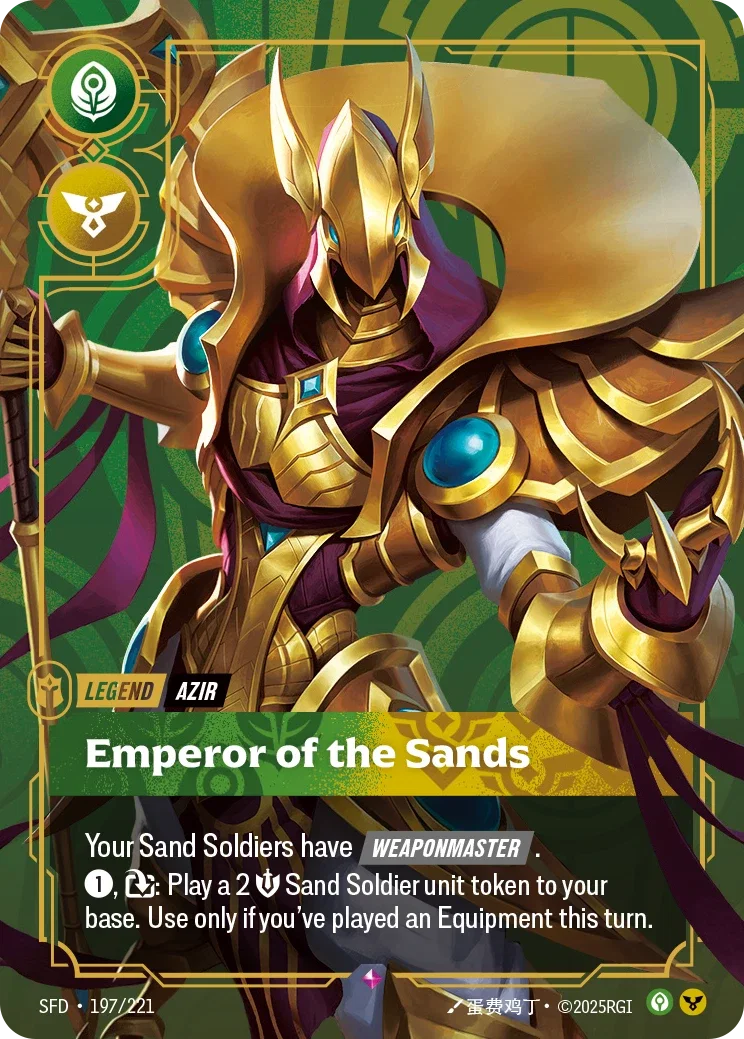
 ViktorHerald of the Arcane · faced in SwissKennenHeart of the TempestOrnnFire Below the MountainIreliaBlade Dancer · faced in SwissLilliaBashful BloomLeBlancDeceiver · faced in SwissAzirEmperor of the Sands
 DravenGlorious Executioner
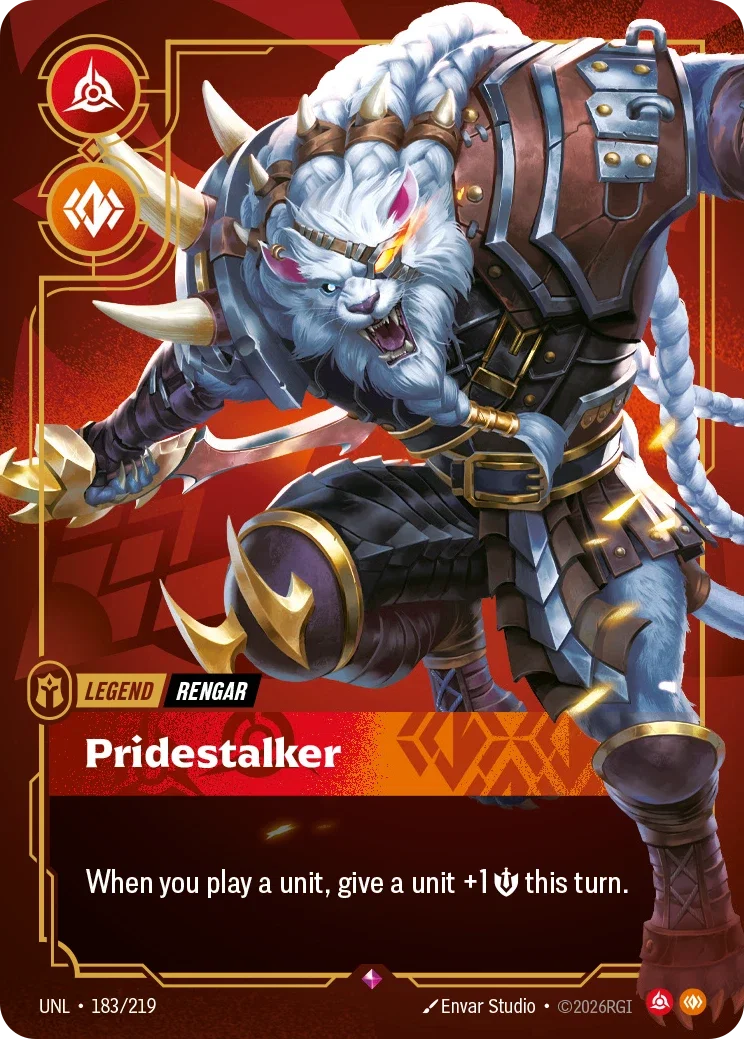
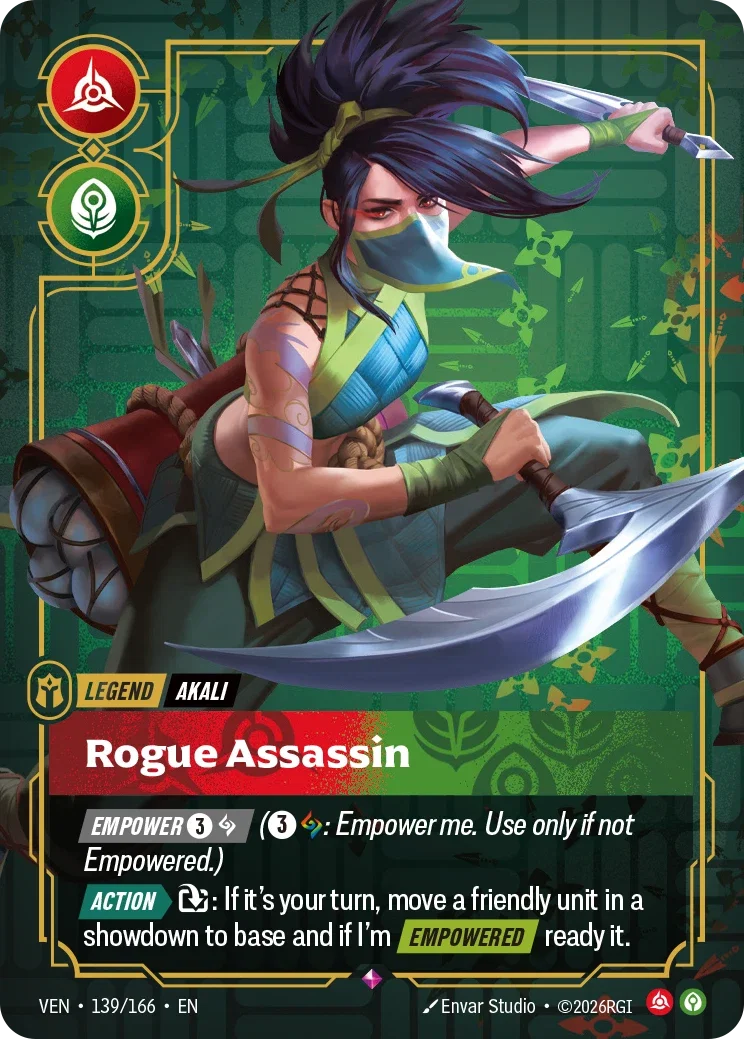
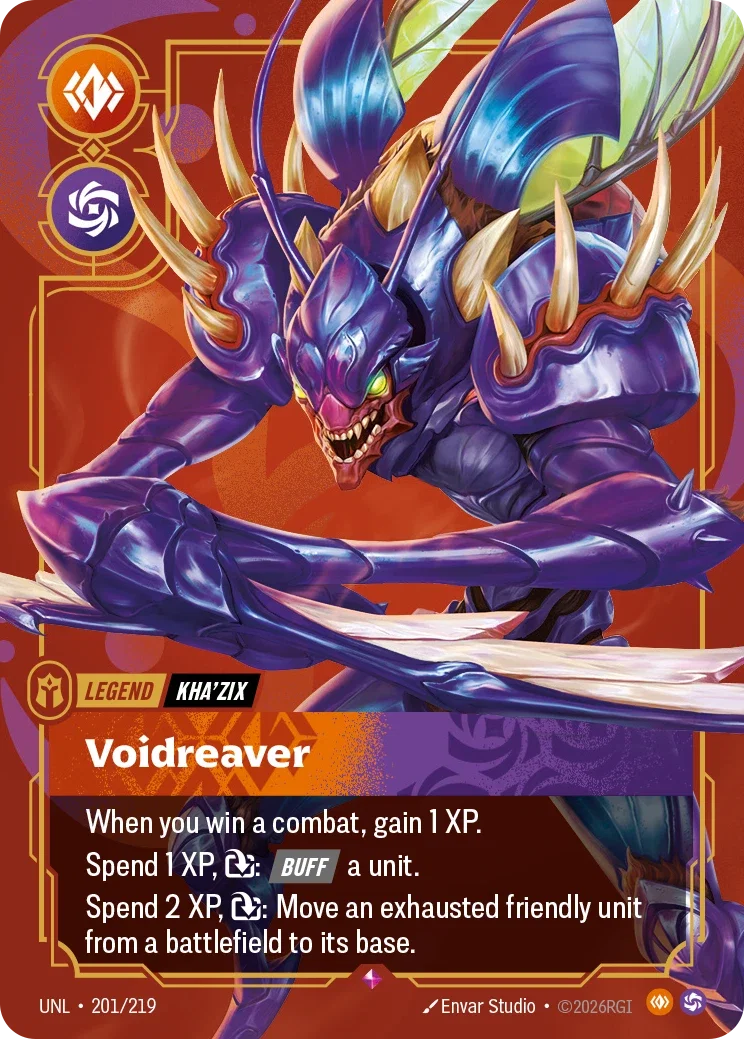
 RengarPridestalkerAkaliRogue Assassin · faced in SwissKha'ZixVoidreaver · faced in Swiss
Yasuo being the most played legend will surprise nobody. His legend ability is incredibly powerful: moving either your own units or your teammate's units to or from a battlefield opens up extra scoring every rotation.
The legends that stood out to us in the top ten were Ornn, LeBlanc and Azir. Going into the event we assumed Ornn would be too slow: a gear-based deck running Helm of Suppression and similar items to grind the game down. Around round 4 or 5 we heard about two undefeated Ornn/Nasus teams running Otterpuses across both decks to slow the game and ramp into the late game. It is a refreshing take on ramp in a very fast format. None of them made top cut and we never played against one, but it is a colour combination I want to explore. For LeBlanc, some friends of ours were on LeBlanc/Yasuo and we were interested to see how it would perform. Our read on Yasuo/Viktor was that it was too slow and got stifled early while trying to develop.
Draven's play rate also surprised us. He was only the 9th most played legend at 3.3% of players (6.6% of teams). After the strong performance and well-written Metafy guide out of the Hartford Regional, we expected more Draven. Thankfully, we were wrong.
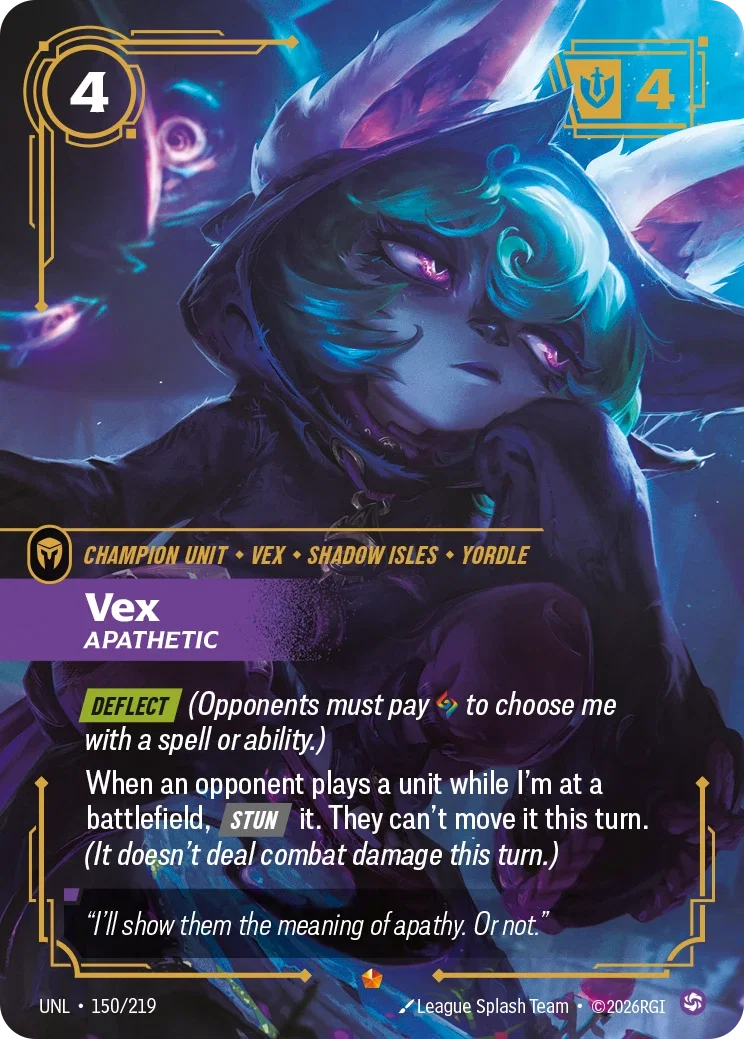
Vex was the other deck we seriously considered. The extra draw from holding is very strong in a format with such limited resources. We passed on it for two reasons. First, Yasuo's movement effect is the best way to out-tempo the opponents and pull ahead. Second, Yasuo's chosen champion scoring a point after moving three times is a strong, consistent way to close a game, whereas Vex still needs to meet other conditions, such as controlling all three battlefields or holding one, which can be hard to achieve.
The idea for these lists goes back to the Magma Chamber online 2v2 event, which had a "no shared domain" rule: between both decks you could not run the same domain twice (no double purple, no double green, and so on).
In that event JRB Matt and I played Leona/Draven, and the only two games we lost were to the eventual finalists. That gave me confidence that Draven could be played as the carry. It also helped that Yasuo/Viktor won the entire event and was one of the three decks the Magma Chamber 2v2 guide rated as the best in format. Every combat win is free value for Draven, so I consider Yasuo/Viktor a very good matchup, and that let me double down on him.
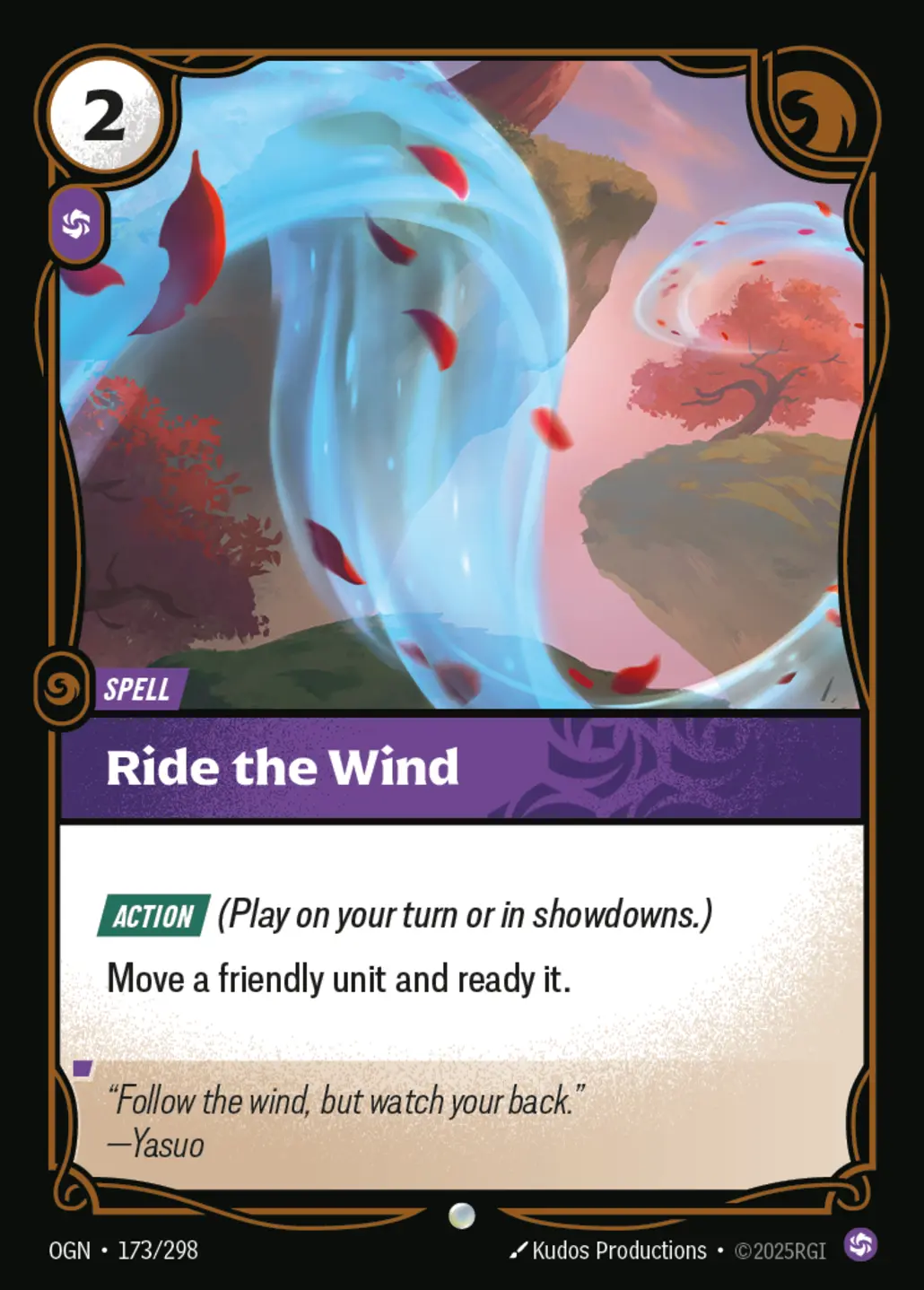
The support choice was not difficult. Yasuo's movement ability fits a Draven carry perfectly. Moving large mid-game units into a battlefield without spending cards is too much value to pass up, and it opens lines for multiple Ride the Winds plus all the generic green good stuff: counterspells, buffs, our legends, Masks and Helm of Suppression.
As RQ Barcelona approached I also learned that Yasuo/Draven had done well at one of the RQs towards the end of the previous set, with very little generic power in the list. That gave us a good starting point, so shout-out to that team.
I am never a fan of overcomplicating decks; it only creates more chaos. The plan was simple: win combats. How? It always comes down to might breakpoints. I tried to predict the Barcelona meta and build the decks to beat it, expecting these decks in particular:
With the theory set, here are the MVPs and the key synergies between the lists.
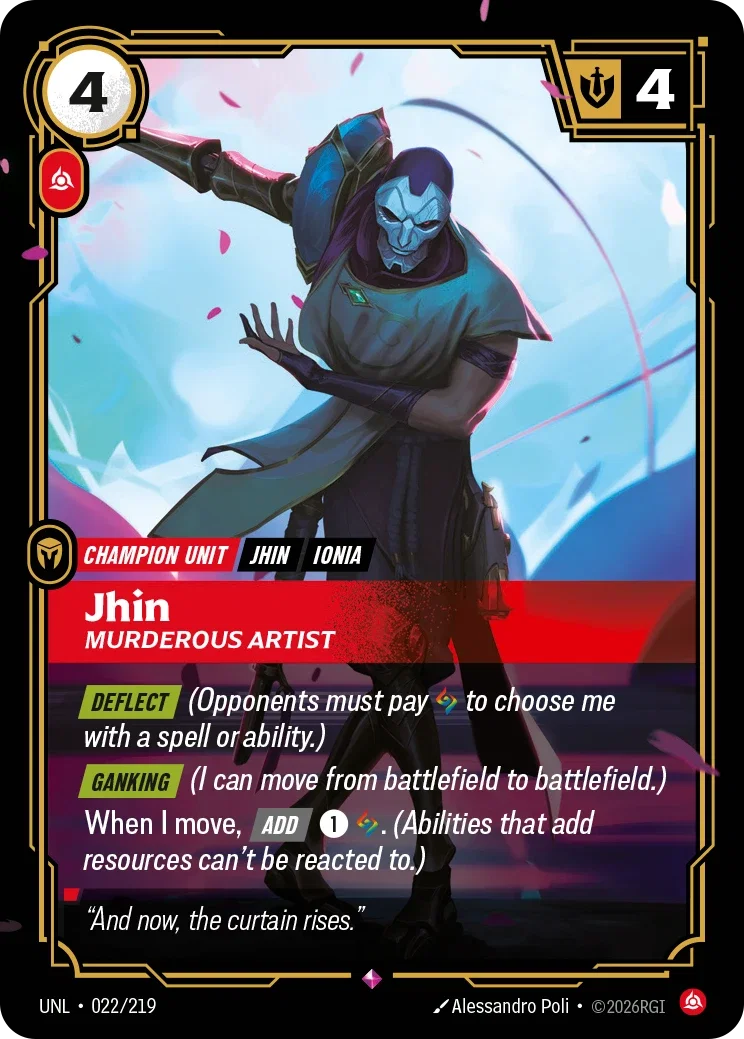
I have to start with Jhin. This unit massively over-performed. If you ever manage a triple conquer with Jhin the game is essentially over: the free development from cheating resources, combined with the draw from Draven, is plainly absurd.
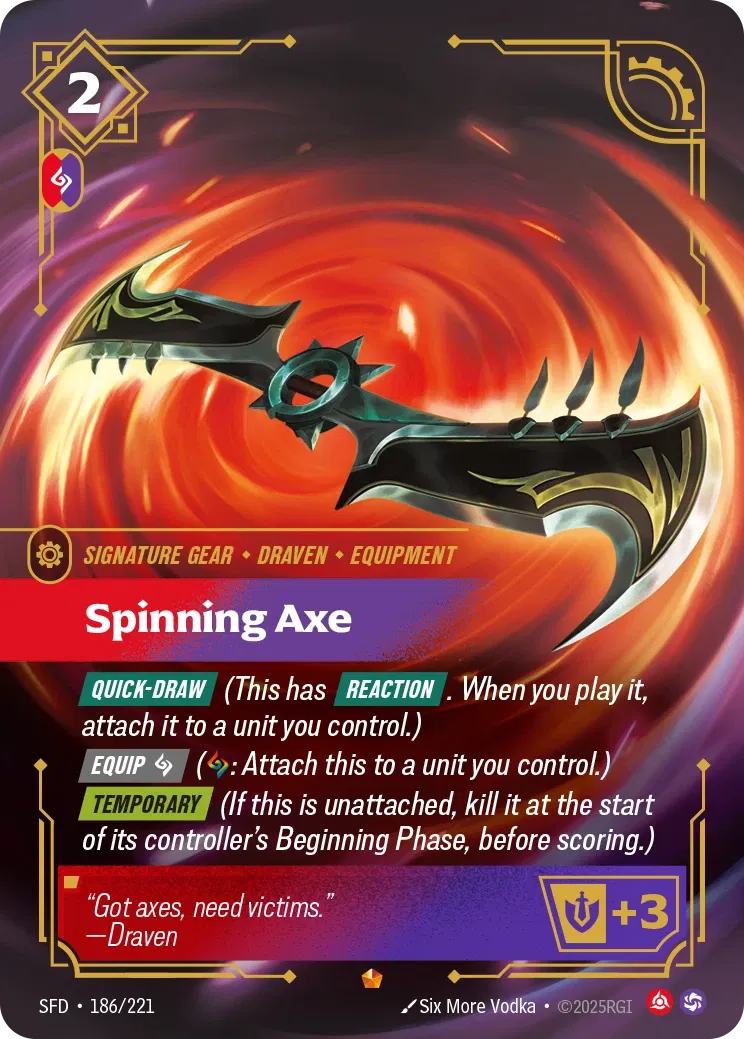
The second most broken interaction was Spinning Axe. In 2v2 you can re-equip on your teammate's turn, which lets Draven hold very comfortably. Equipping it to a 4-might unit with an Overzealous Fan behind it is a scary proposition for the opposing team, and even if they clear the unit you can re-equip to a unit in base on Yasuo's turn, saving the Axe from going to trash before it comes back around to you. (Equip it to Vex and watch your opponents run out of answers.)
Finally, the number of modal cards in the deck gave us a lot of flexibility. Every Hidden was either a turn-one play or a hidden card the opponent had to worry about later in the game.
A quick note on the Yasuo list: nothing here is revolutionary and most 2v2 players know the strength of the deck. I knew 3x green Akali was going in; she is sticky, and the free might buff when entering a battlefield plays straight into the threshold theory. 3x Mask of Suppression is excellent in every matchup you would want it in (control, Irelia, Lux loopers). Twilight Shroud over-performed too: not being bounced in the current meta is so valuable that I would consider upping it to 2x.
To close, I want to thank the Magma Chamber 2v2 Discord community for pushing this format and alternative Riftbound formats. I believe 2v2 could end up being one of the best ways to play the game.
P.S. Ban Yasuo.
The decks are simple, and Kane has already covered the theory behind them. This section walks through specific choices and what we would change if we had a tournament tomorrow. The live lists — with export — are the 3rd-place Yasuo / Draven pair from the event.
JRB Endless
Draven, Glorious Executioner · Draven, Showboat
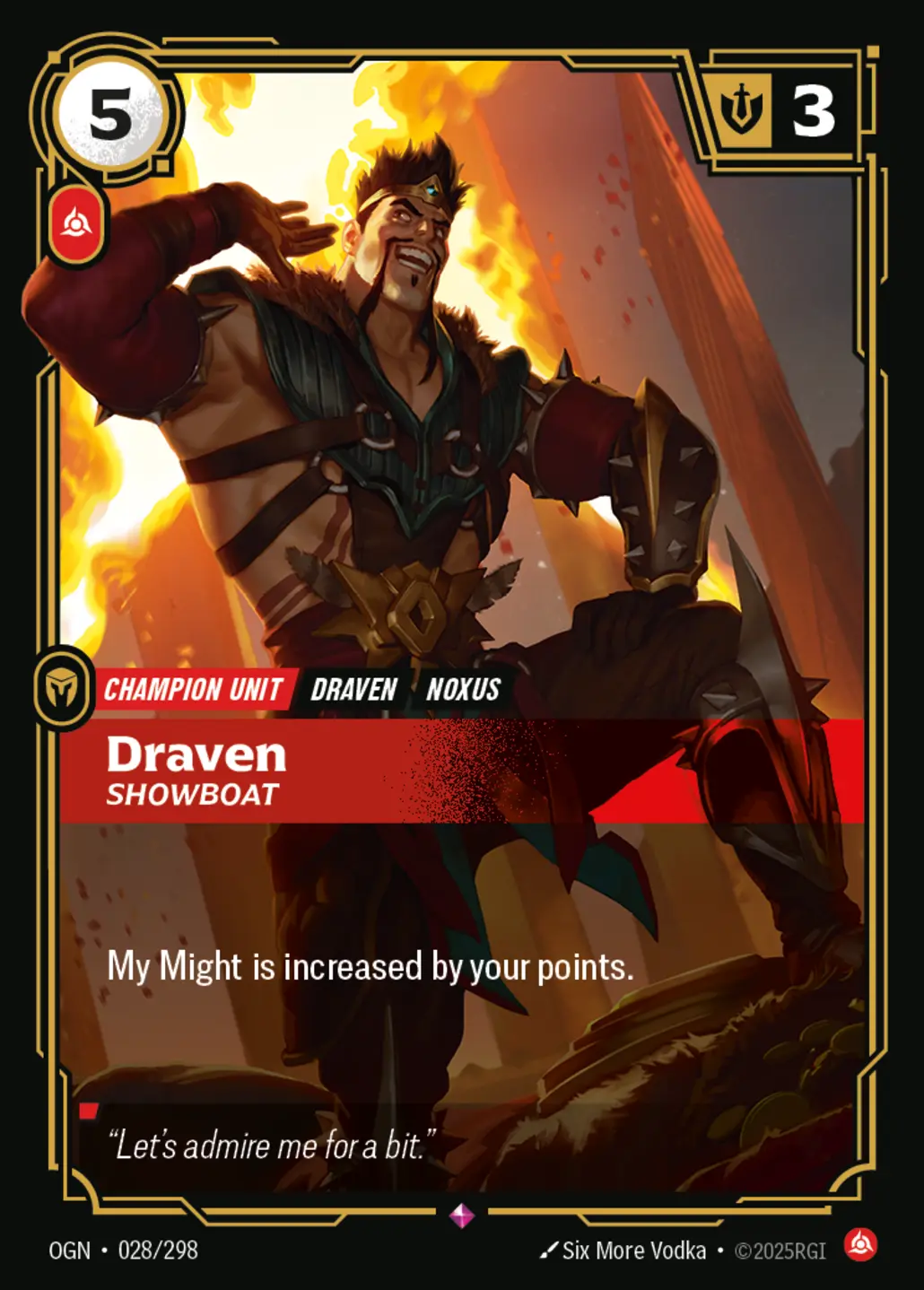
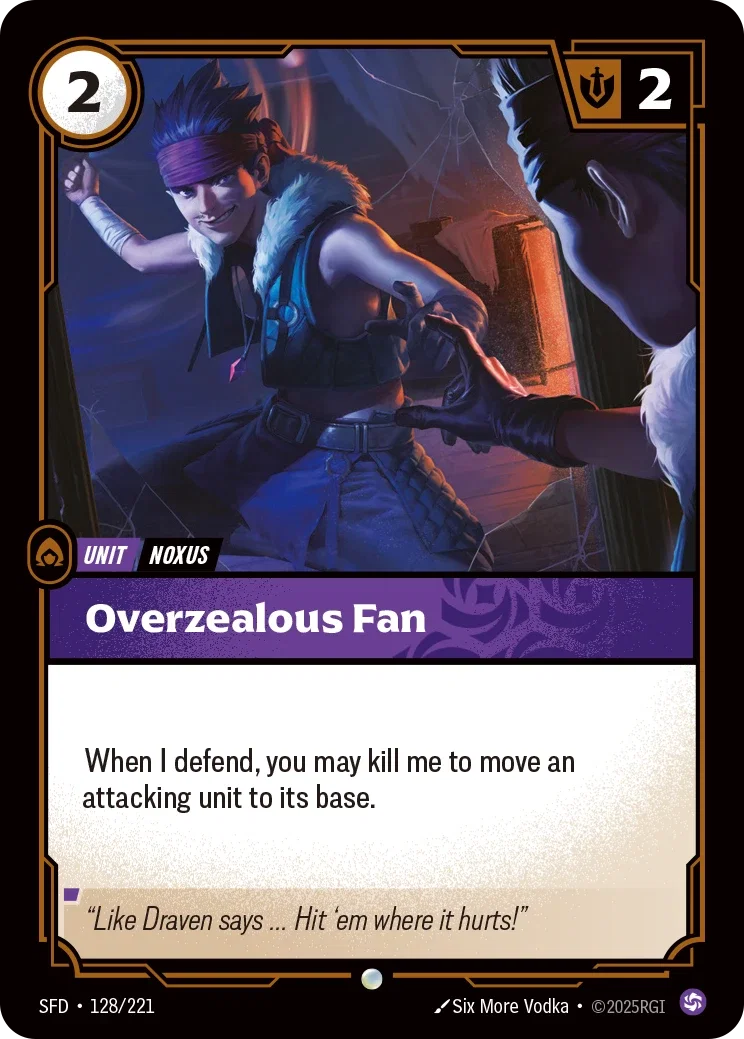
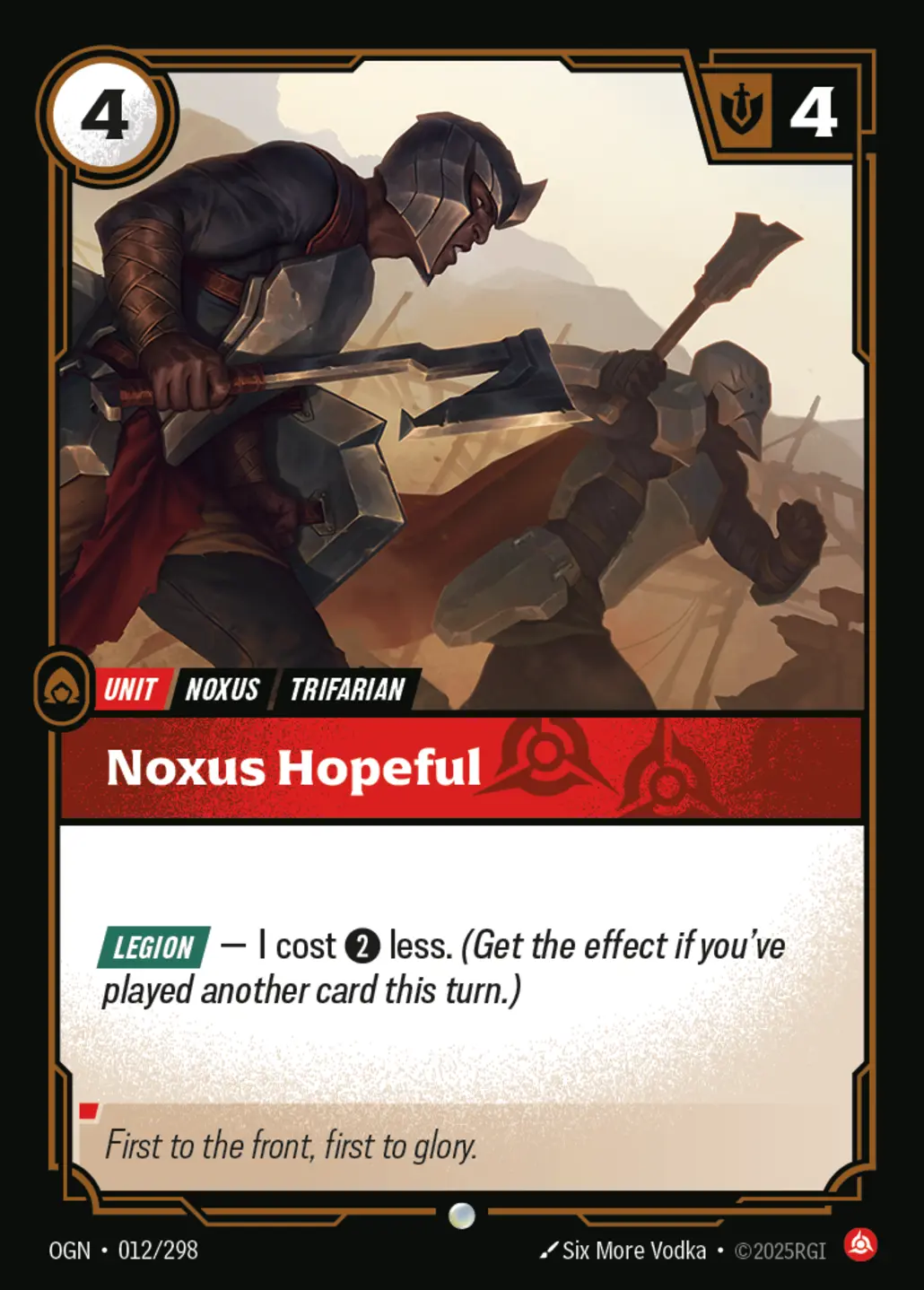
The standout units were Overzealous Fan, Noxus Hopeful and Draven, Showboat. Overzealous Fan is great for pushing a unit back to base, either leaving a battlefield empty for us to re-conquer next turn or drawing a card off the combat win. Noxus Hopeful is highly efficient; being able to play it for 2 energy almost every time is great. Draven, Showboat is a great big unit: because its might scales with your points it is easy to have it at 10 to 13 might, which is ideal for closing games and very hard for opponents to answer.
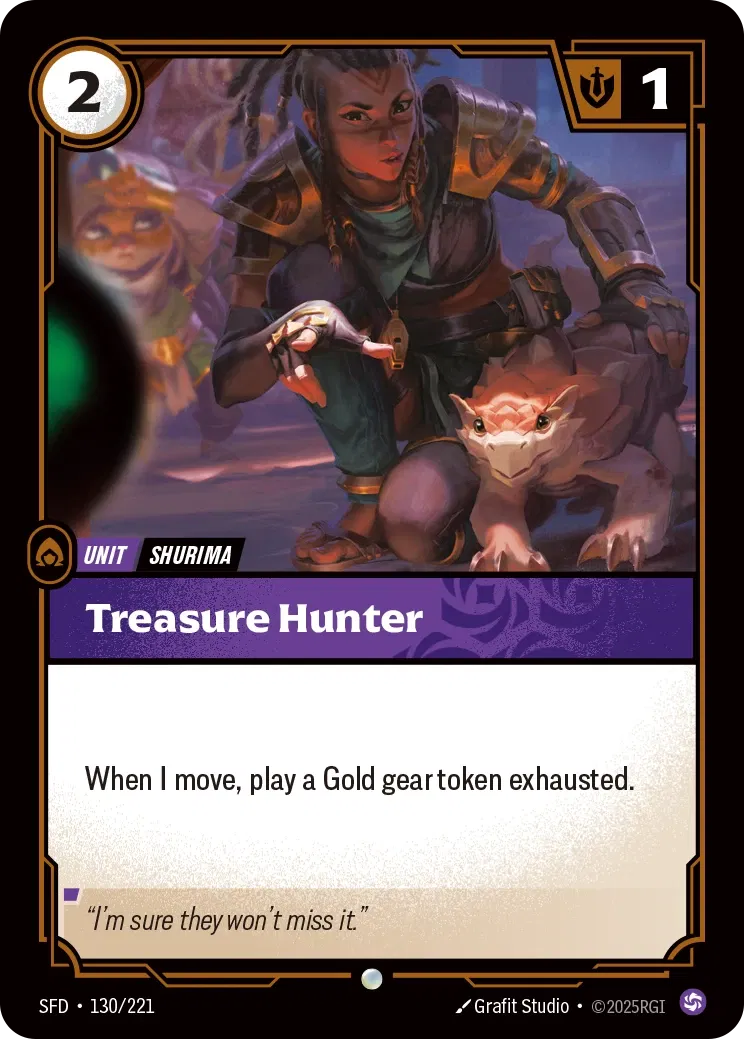
One unit we would consider adding is Evelynn, Entrancing, another efficient Hidden that can be played face-down or as a two-drop. It was in our teammates' lists and worked well for them. We simply did not have enough copies, so we added extra Treasure Hunters and Overzealous Fans instead, which worked well.
Ride the Wind is one of the best spells in the format and really should be a 3-of. It provides a huge amount of movement, and the lines it opens alongside Yasuo's legend ability speed the game up massively and almost guarantee a triple conquer.
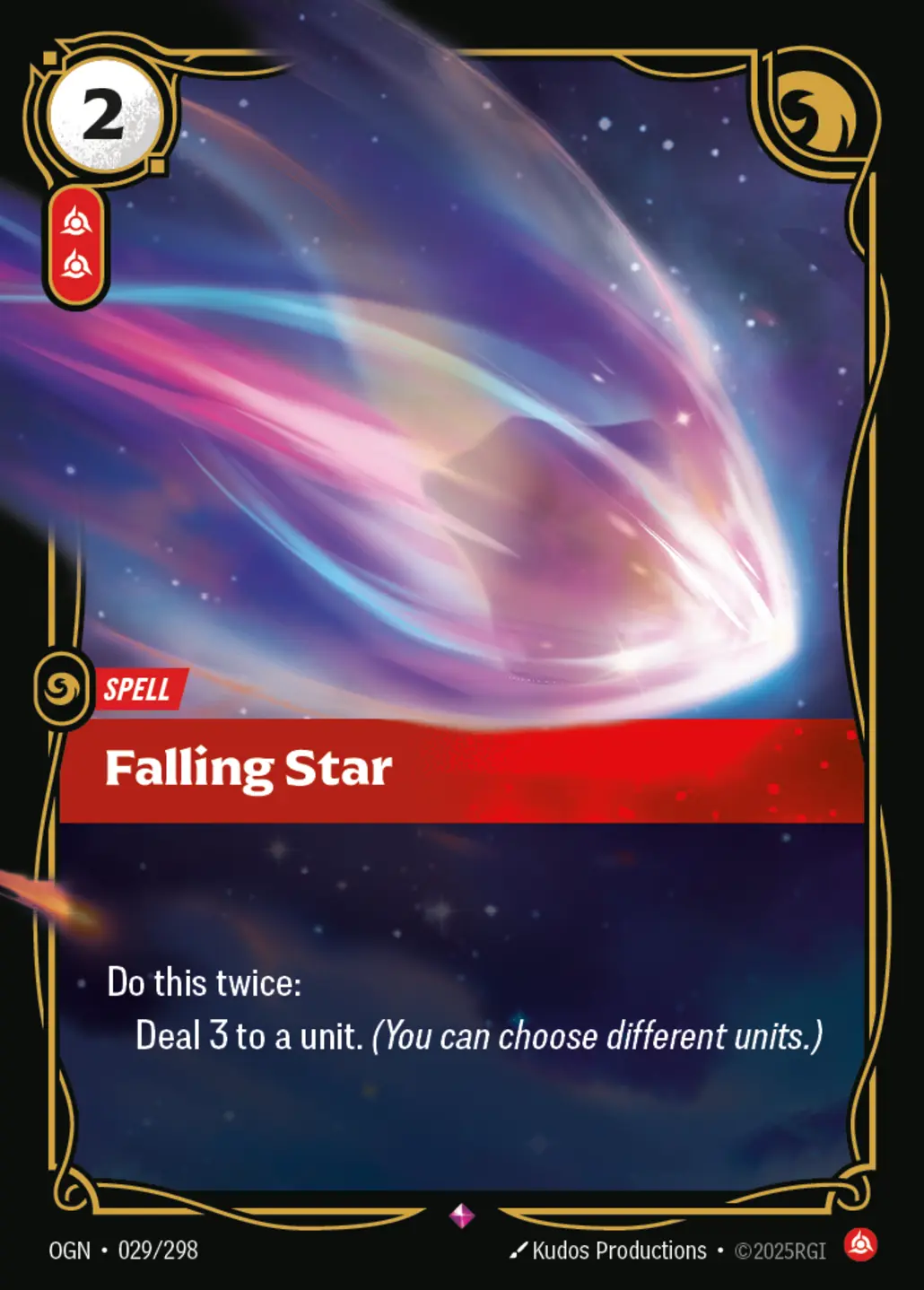
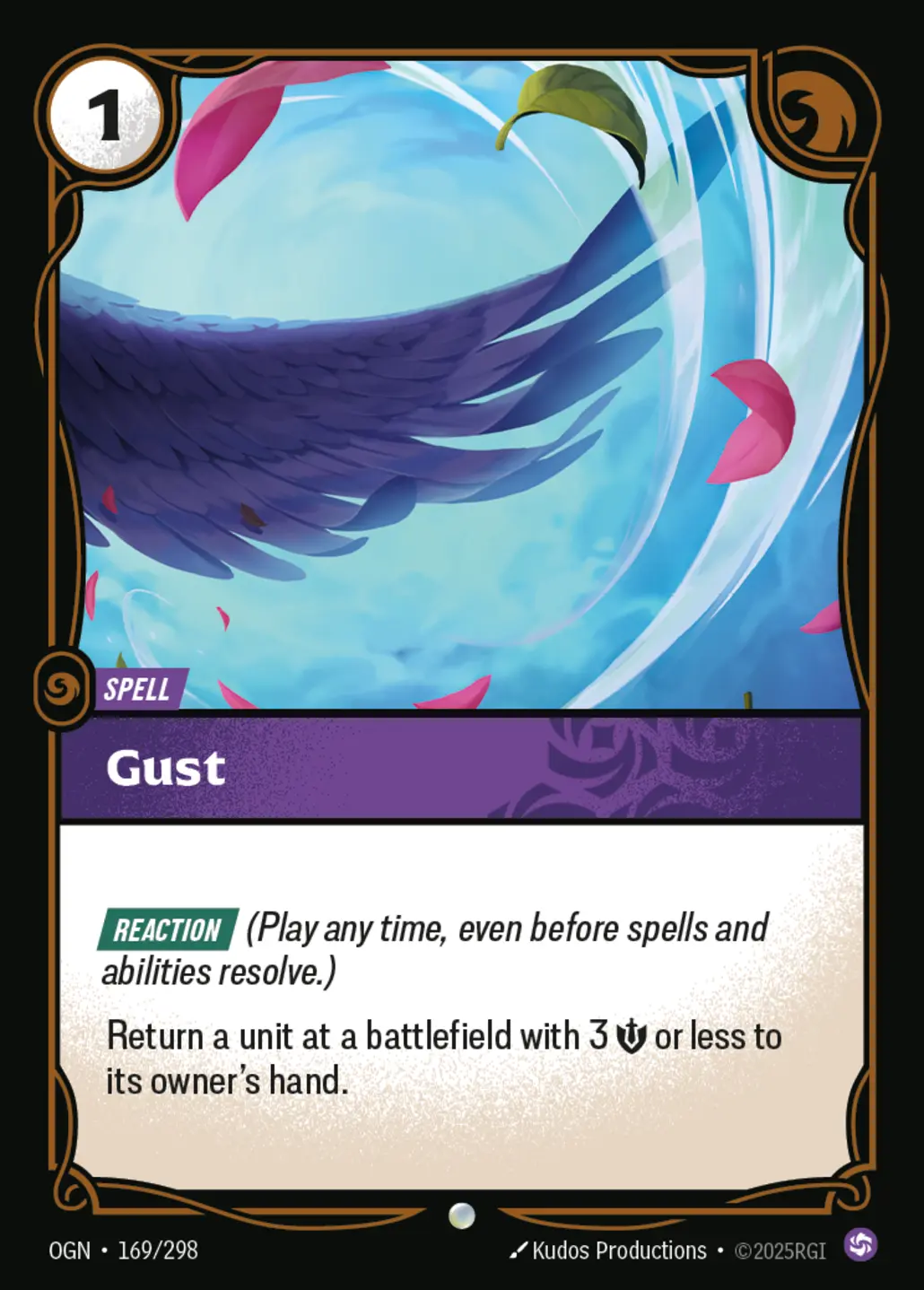
Falling Star was a last-minute addition that turned into a silver bullet in some matchups. Base removal is almost non-existent in this format because it is expensive and hard to resolve through a counter. Falling Star has two uses. The obvious one is against any deck abusing a unit's conquer effect for tempo, or anything sitting in base that slows us down. The second sounds a little crazy: against a deck with a better late game that we need to race, Draven can conquer two battlefields, then kill his own units so Yasuo can win the game. The timing is hard to judge, but when it works it can take you from 5 to 11 in a single rotation. We never actually pulled this line off, but we debated it.
JRB ColdPhnx
Yasuo, Unforgiven · Yasuo, Windrider
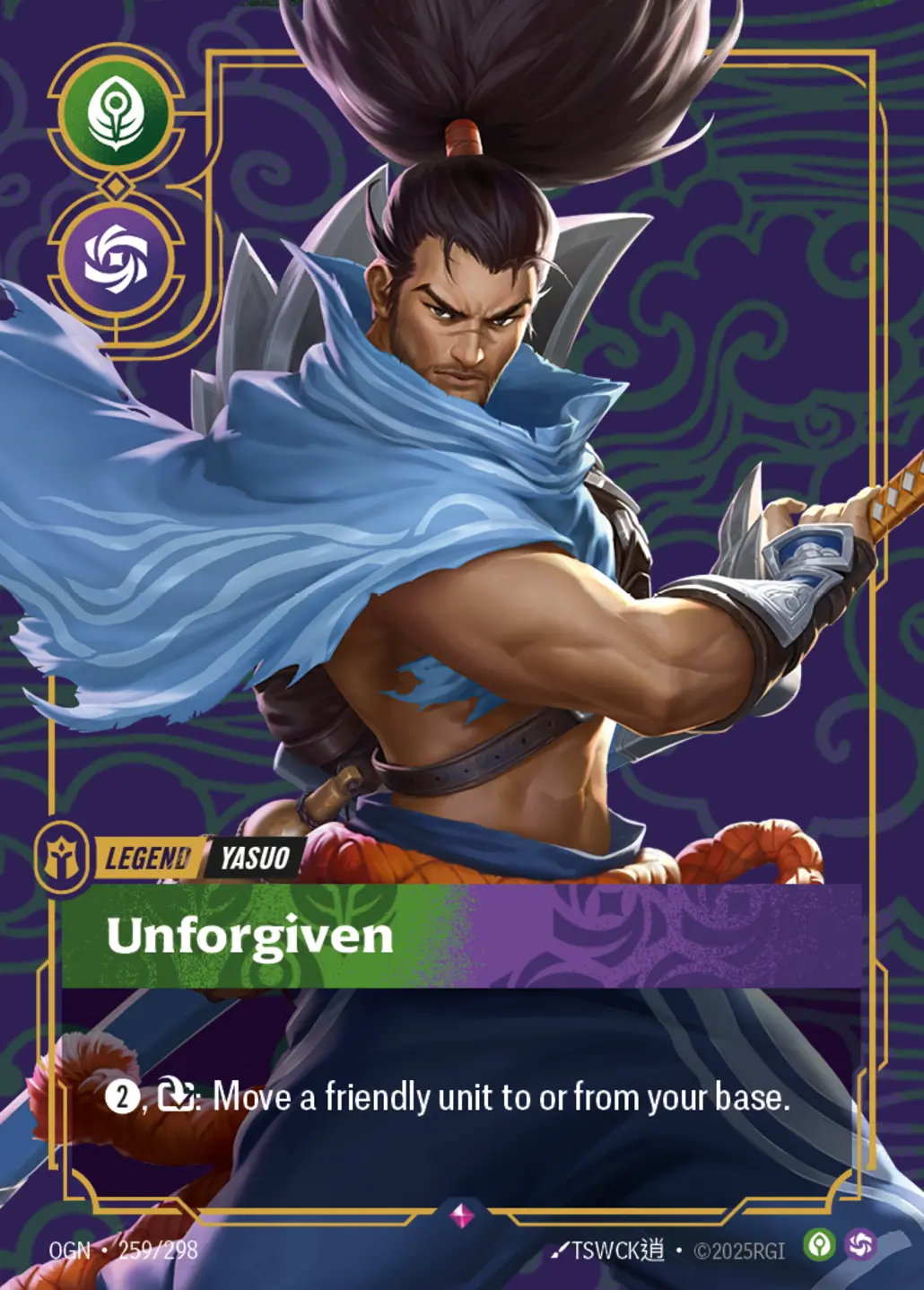
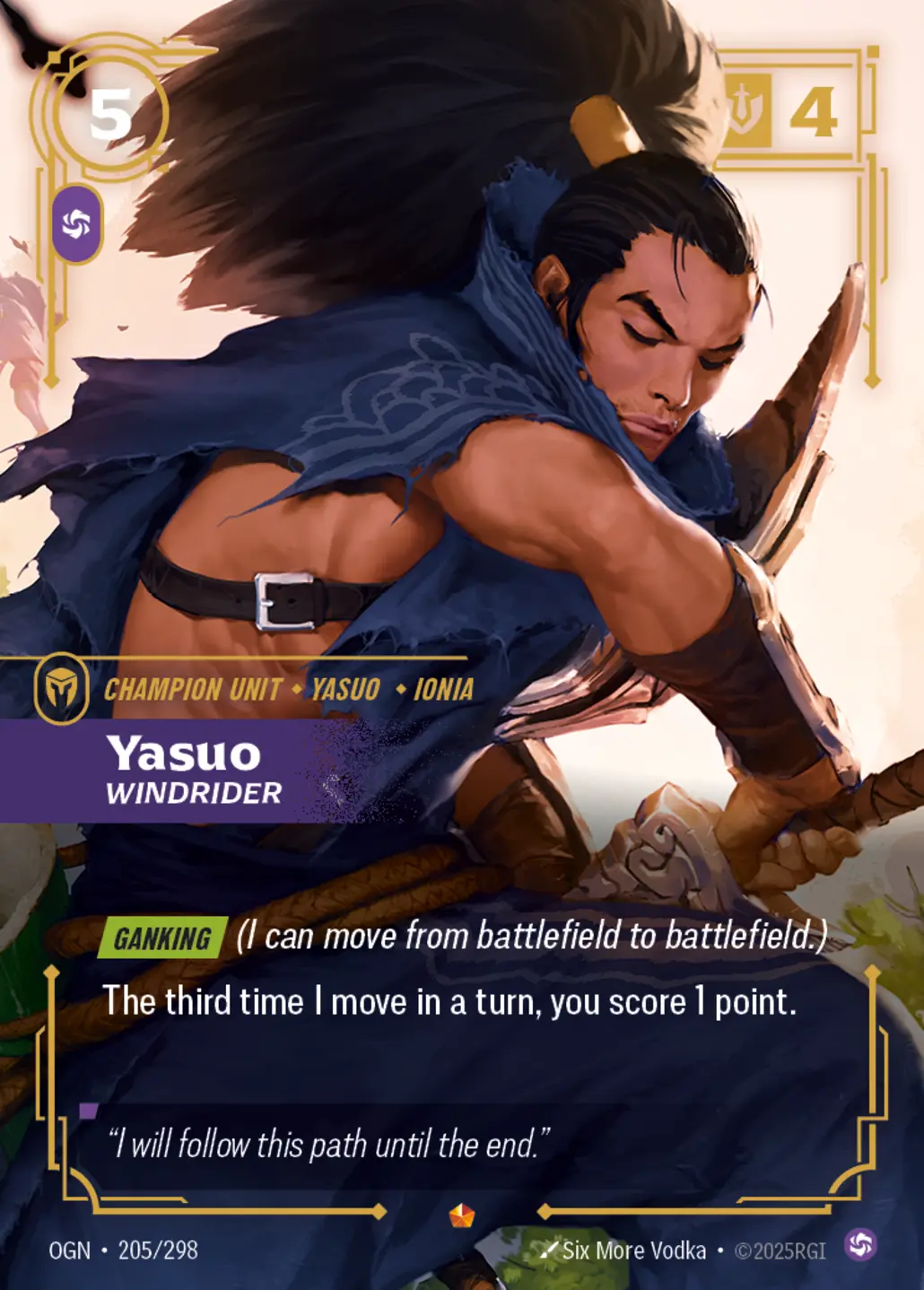
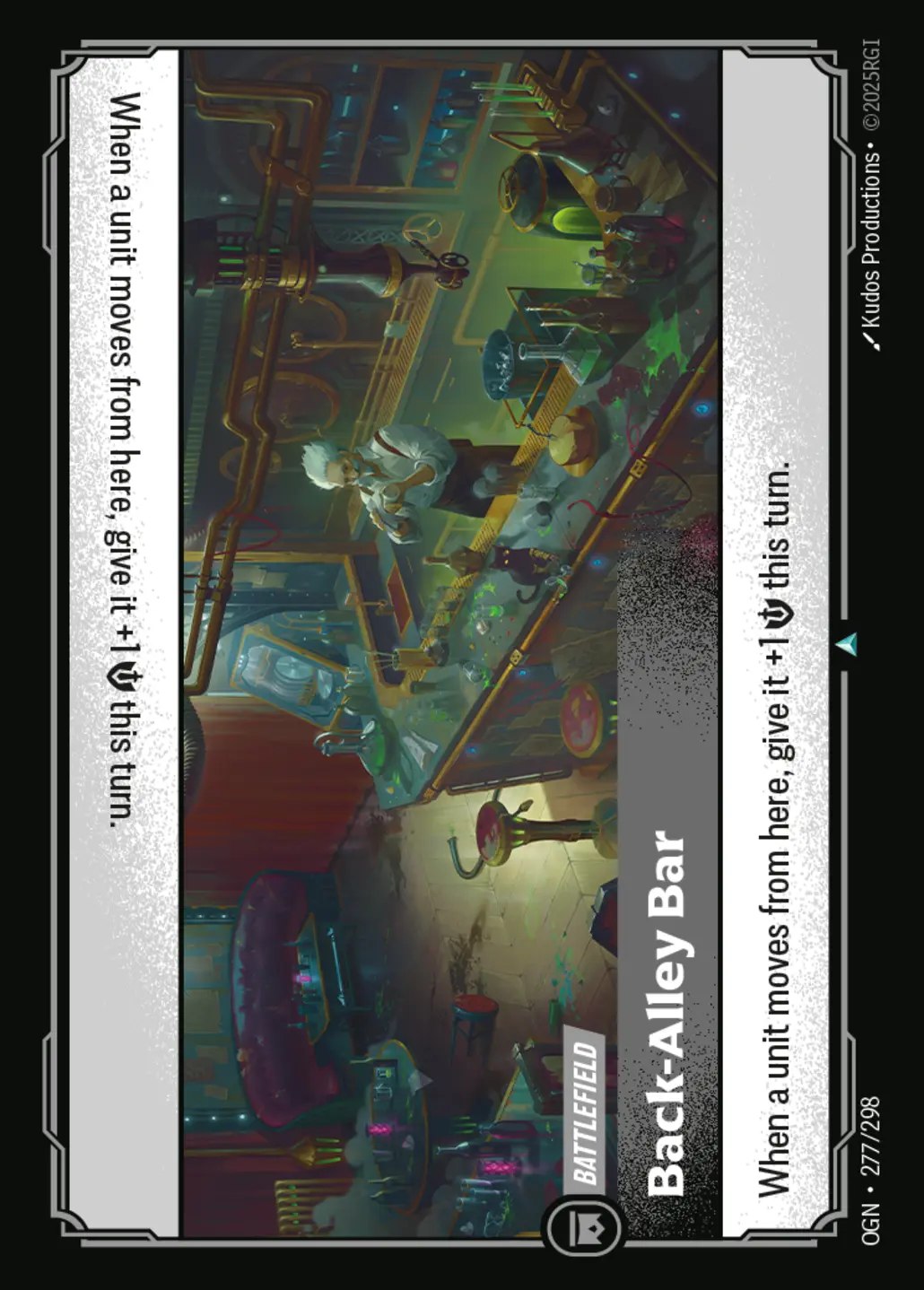
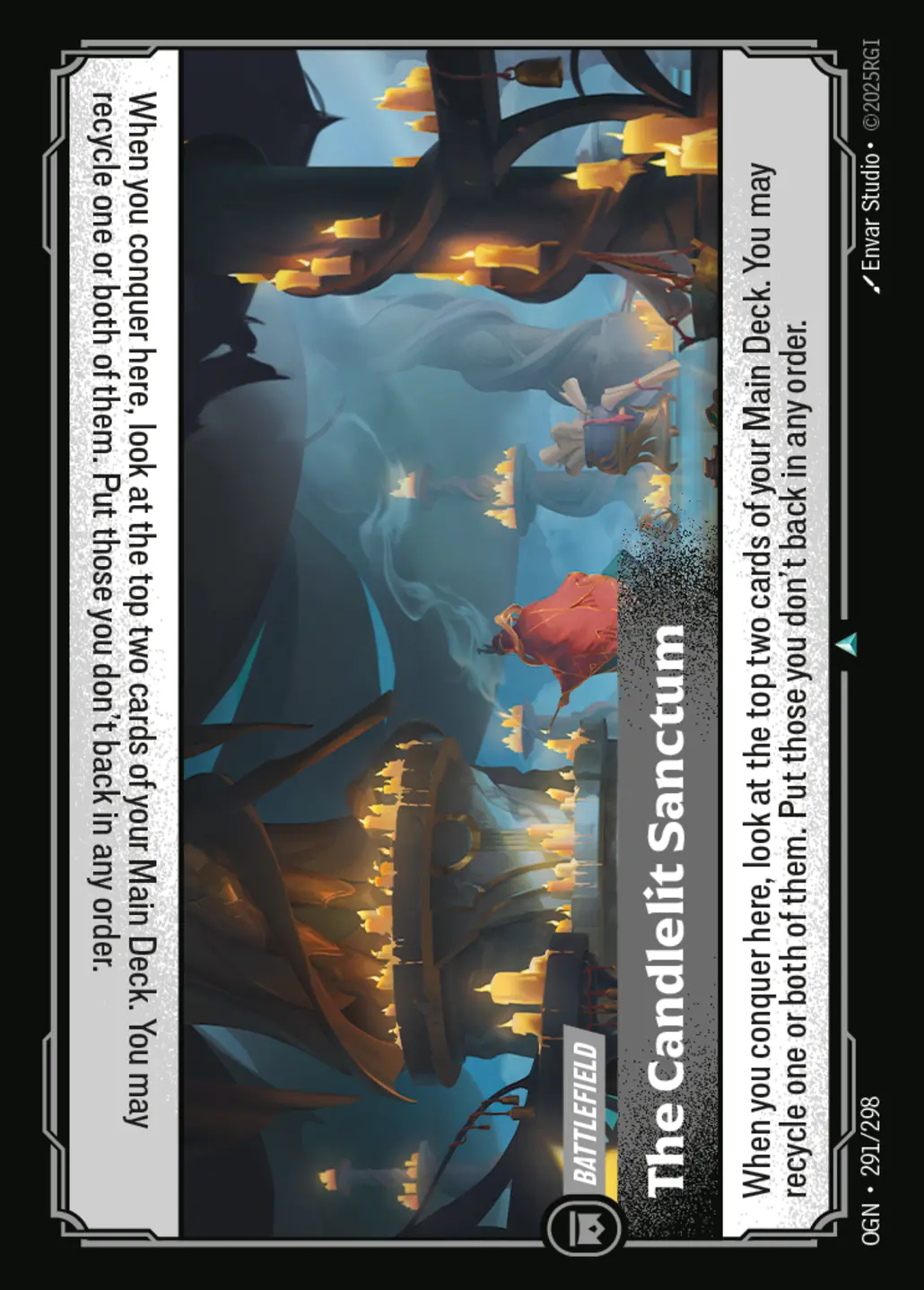
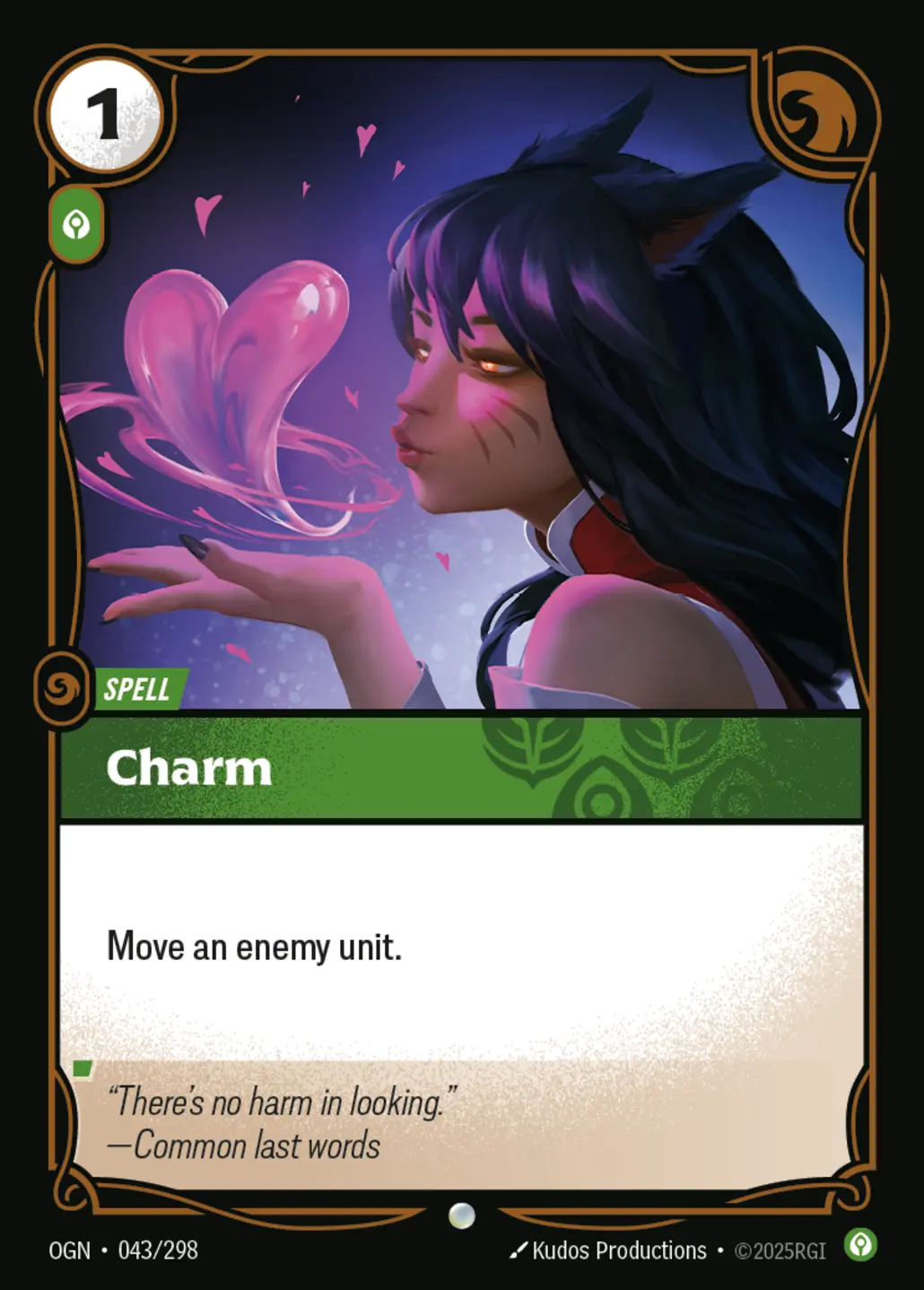
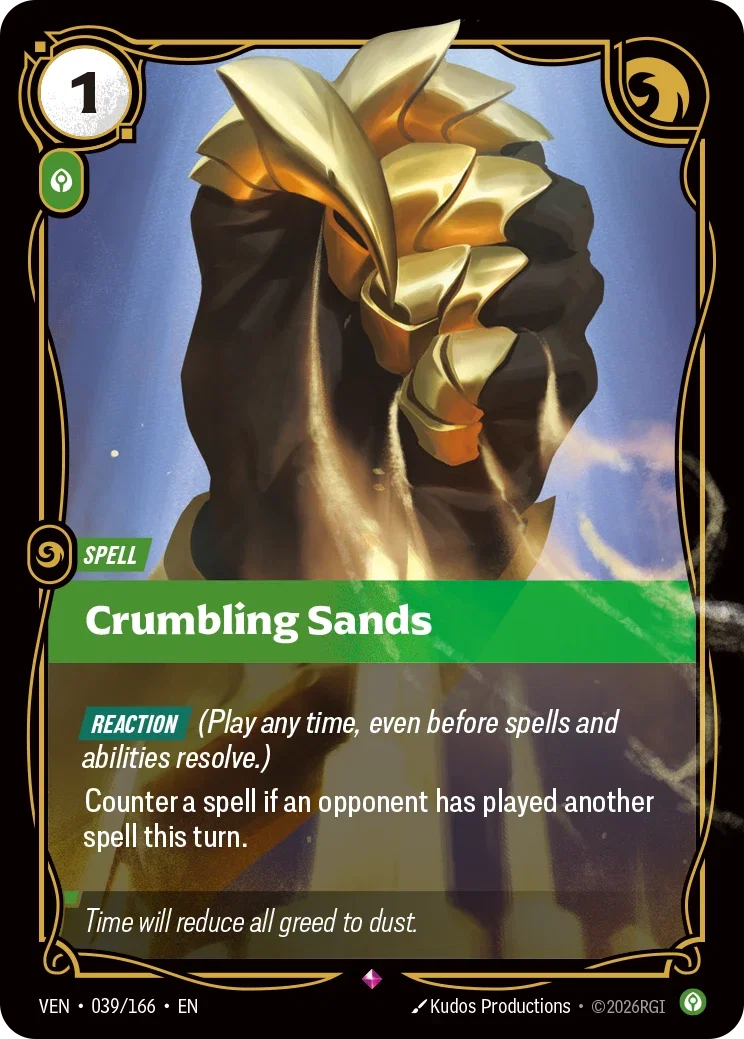
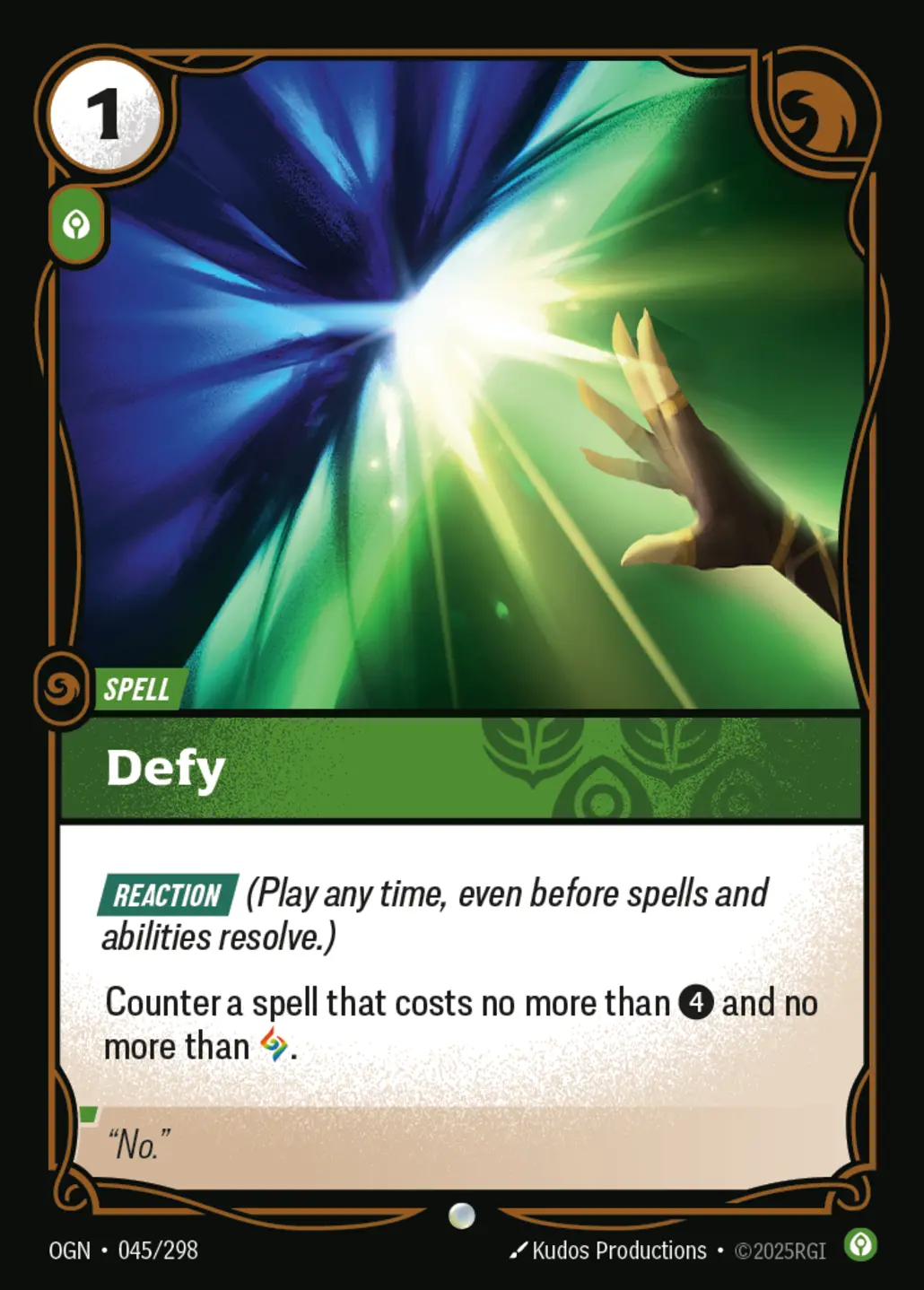
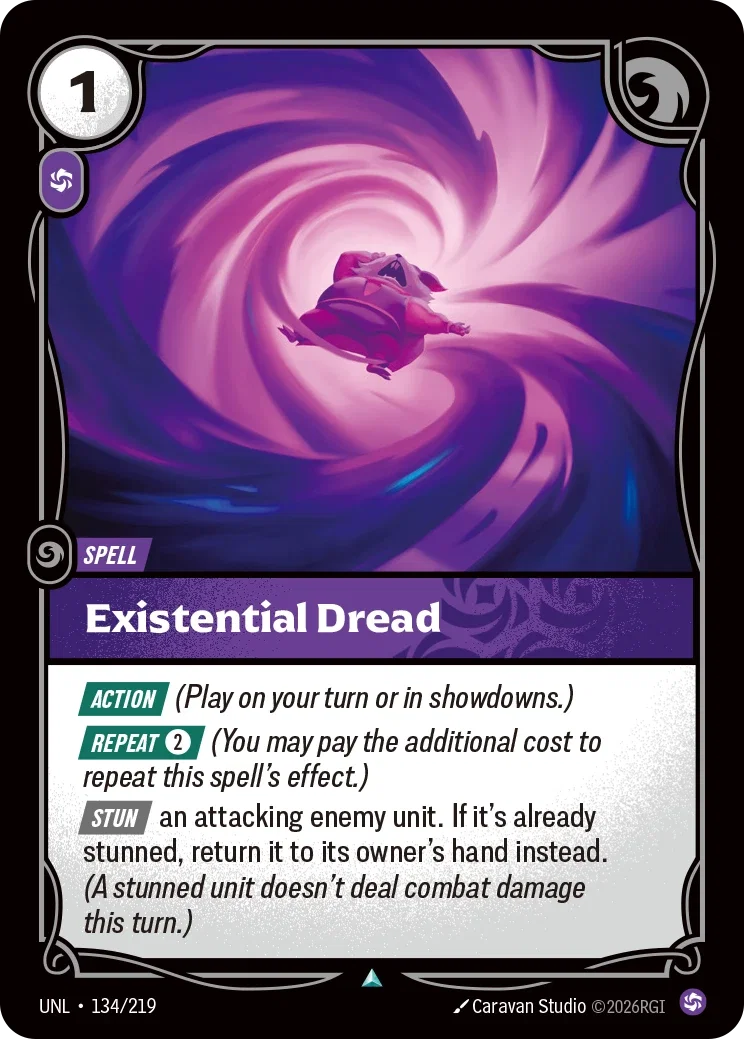
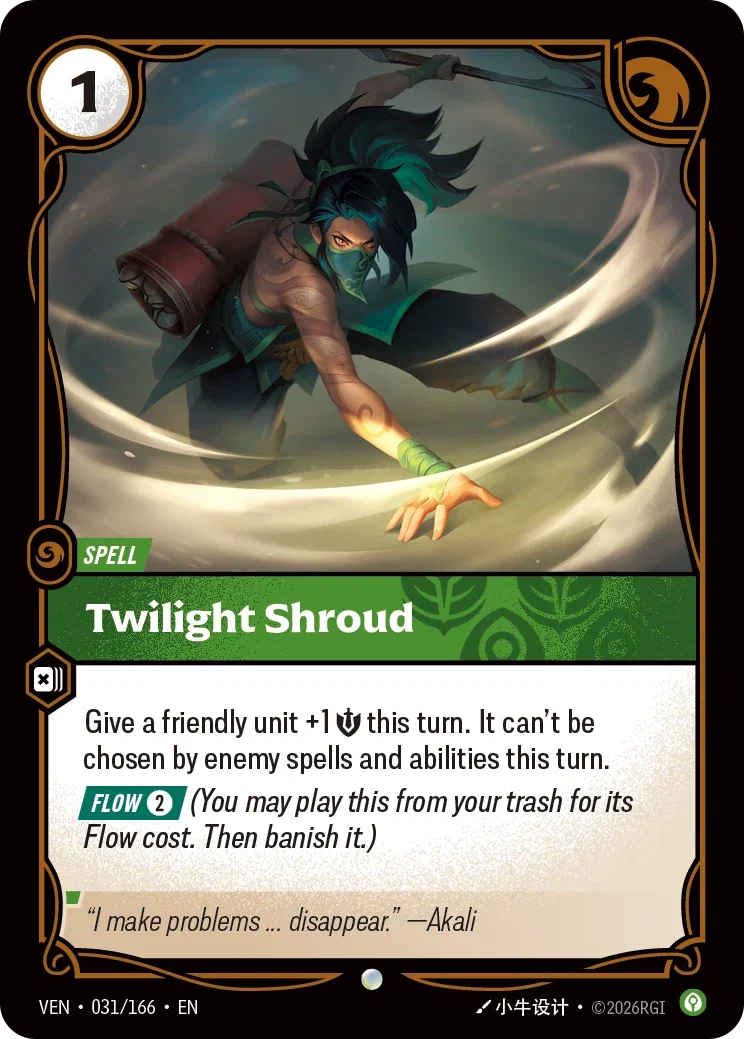
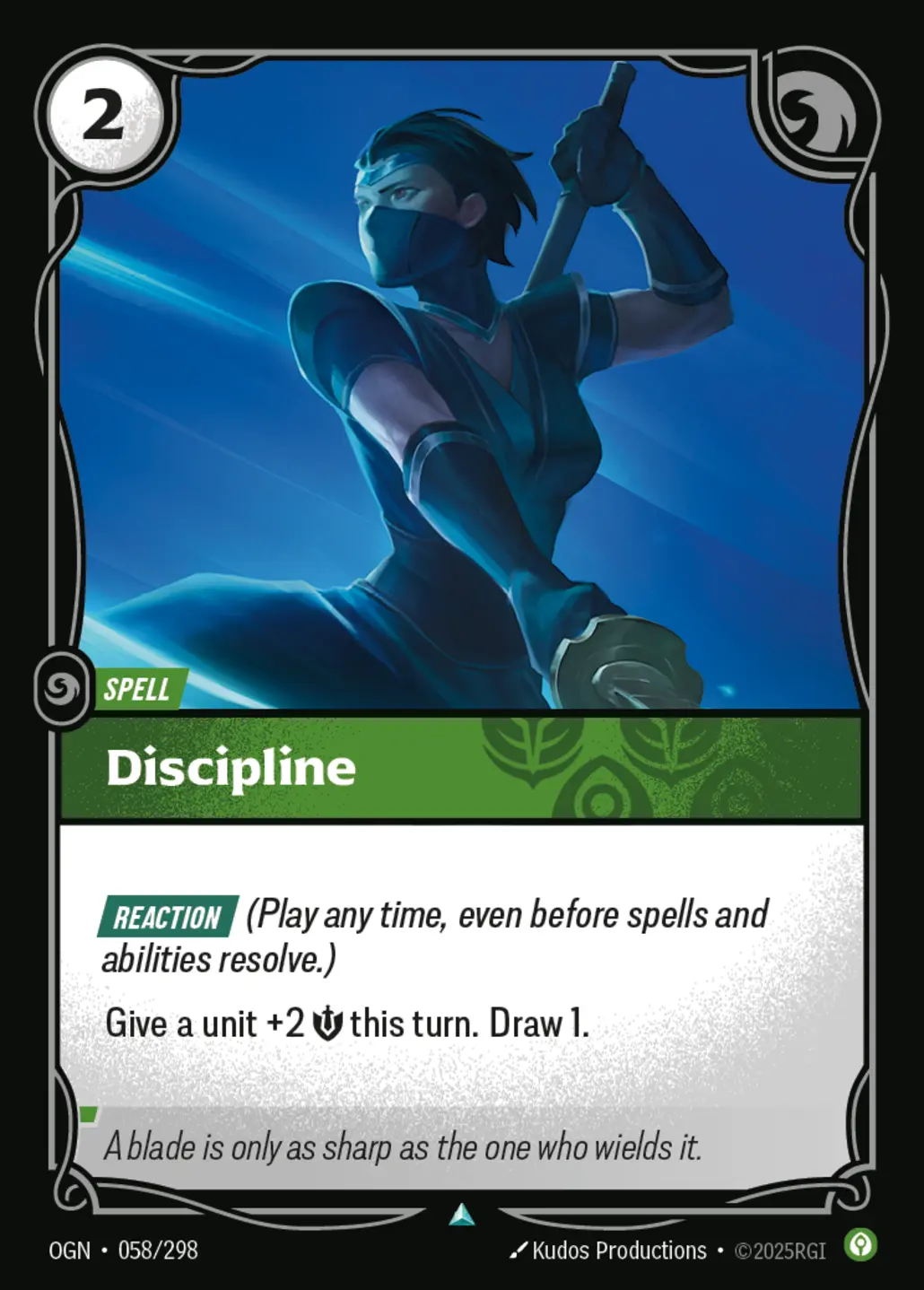
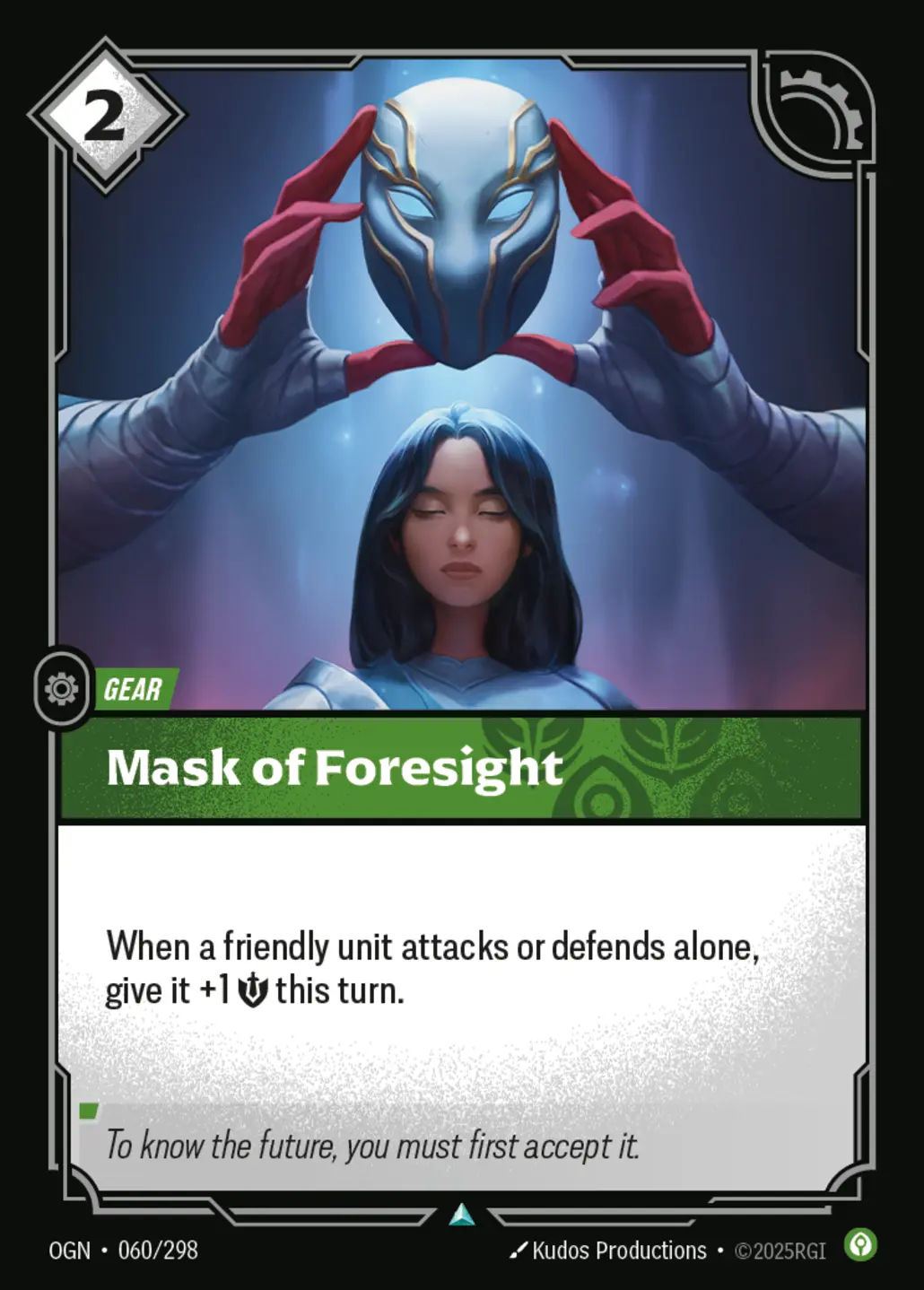
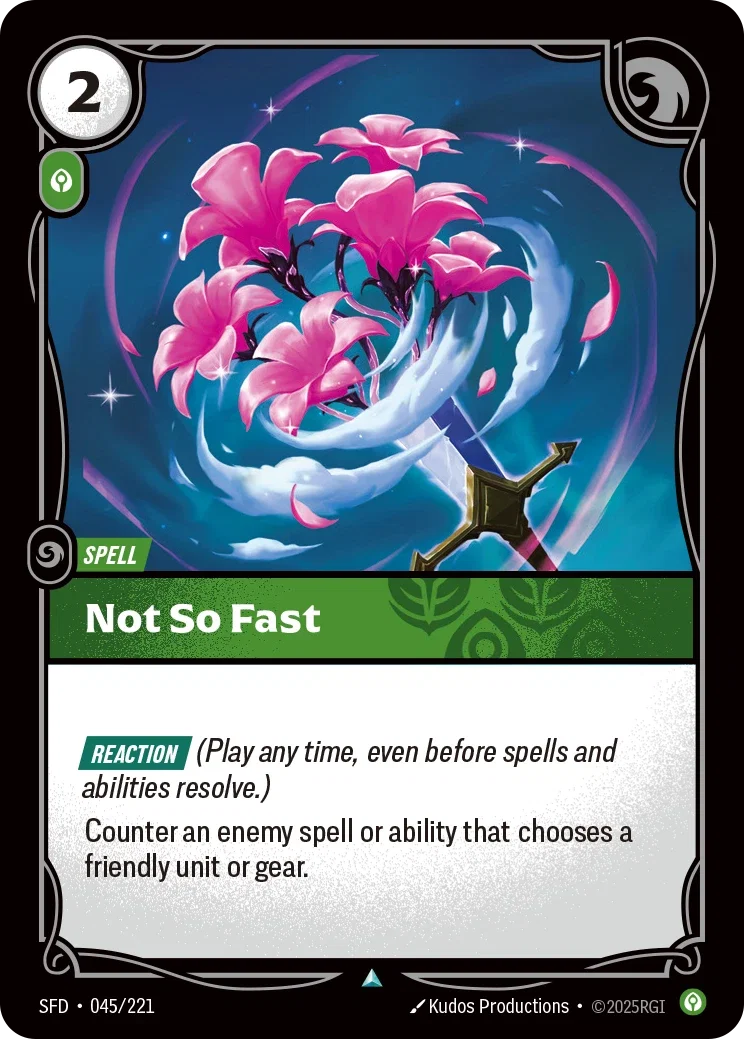
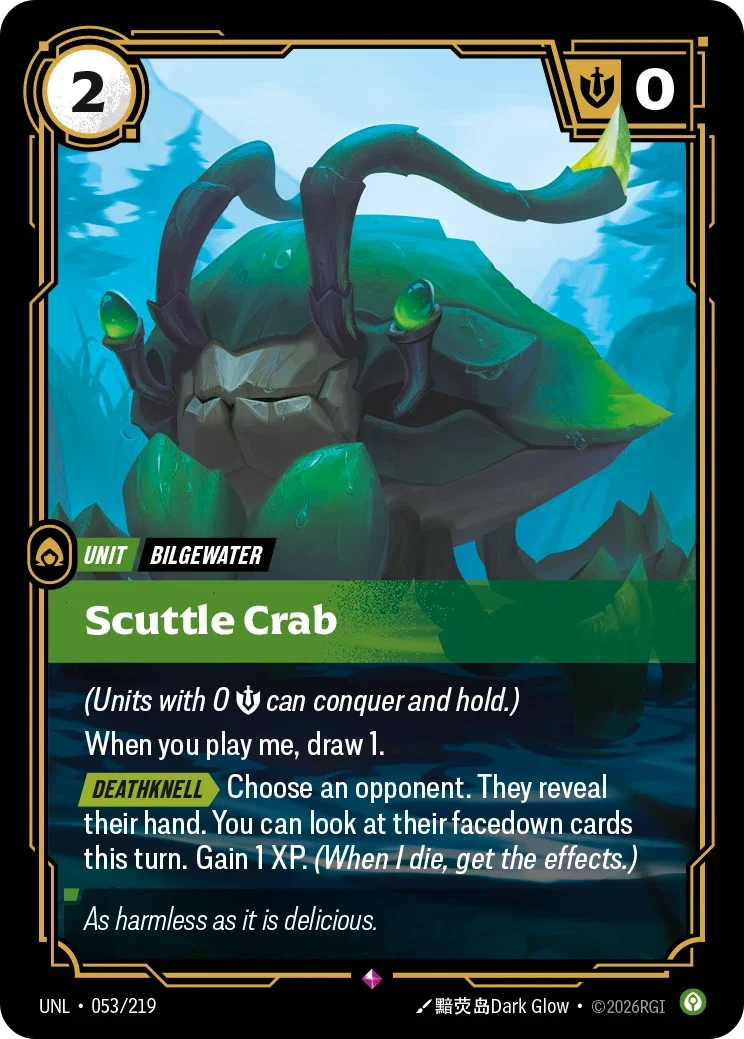
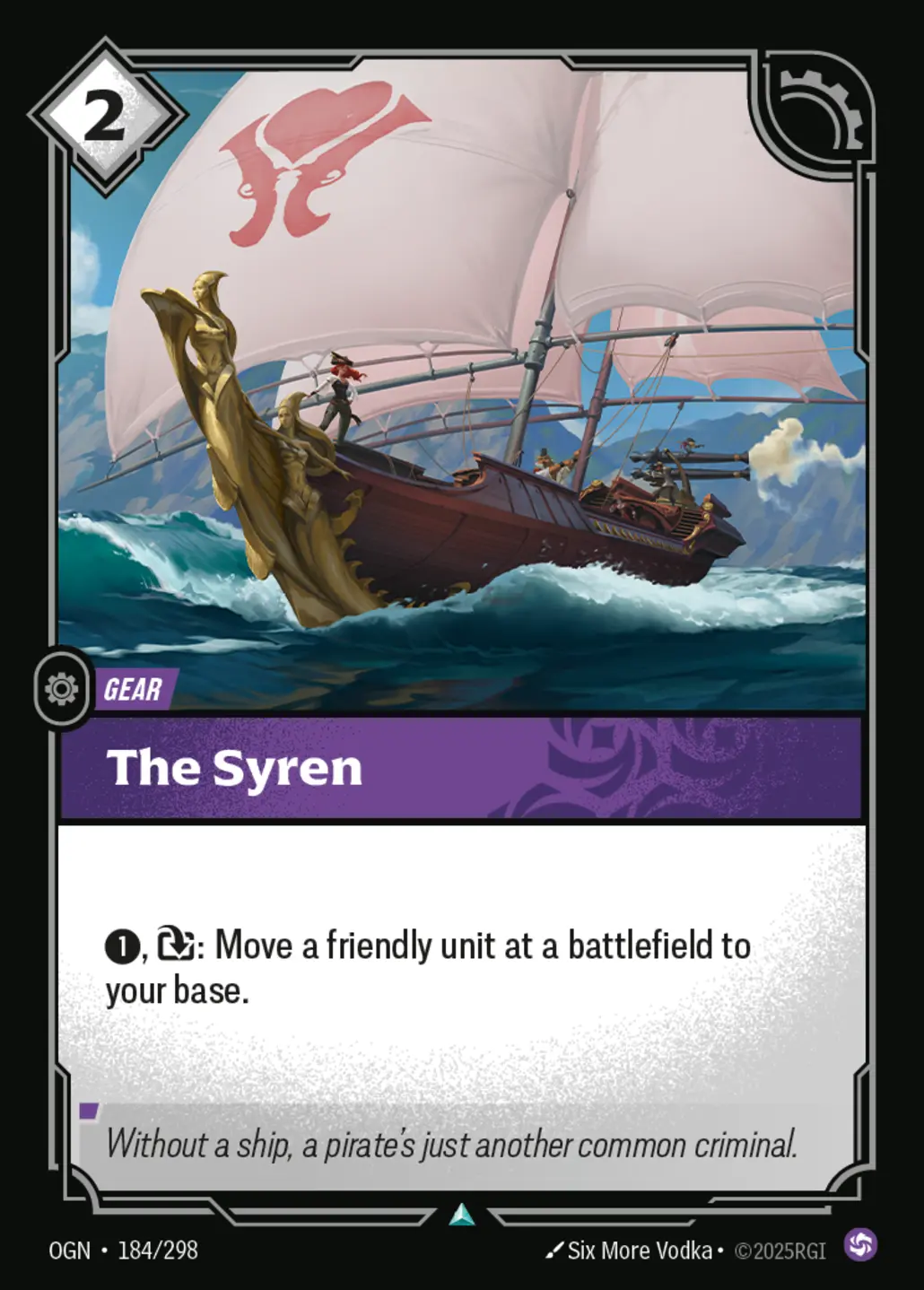
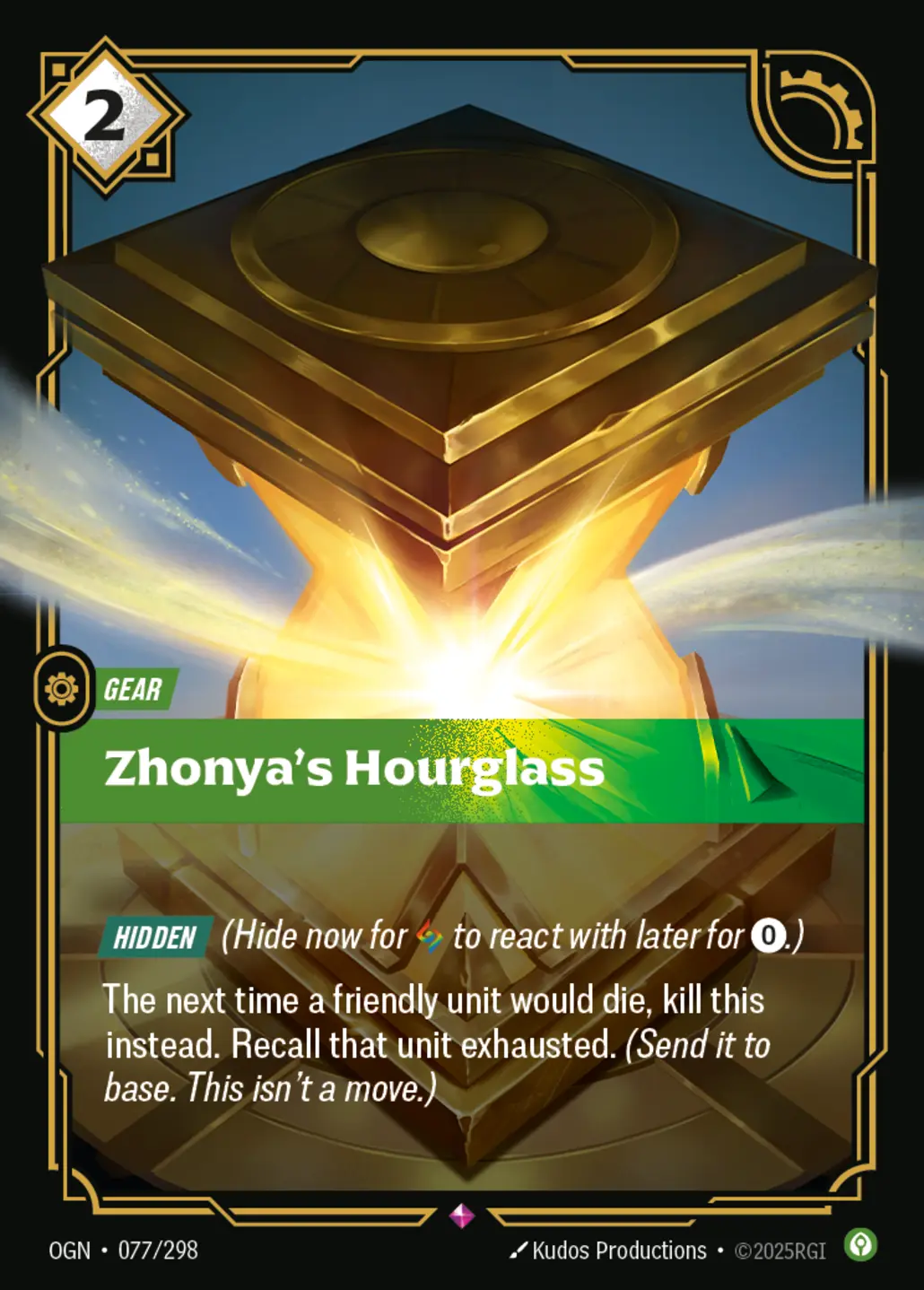
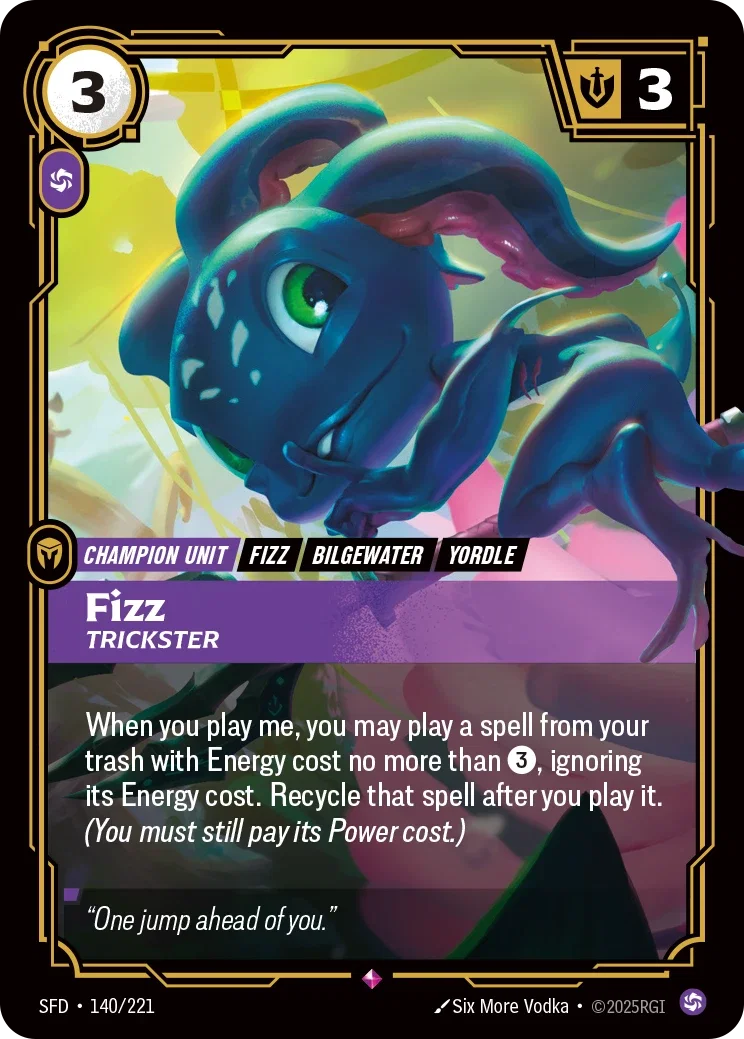
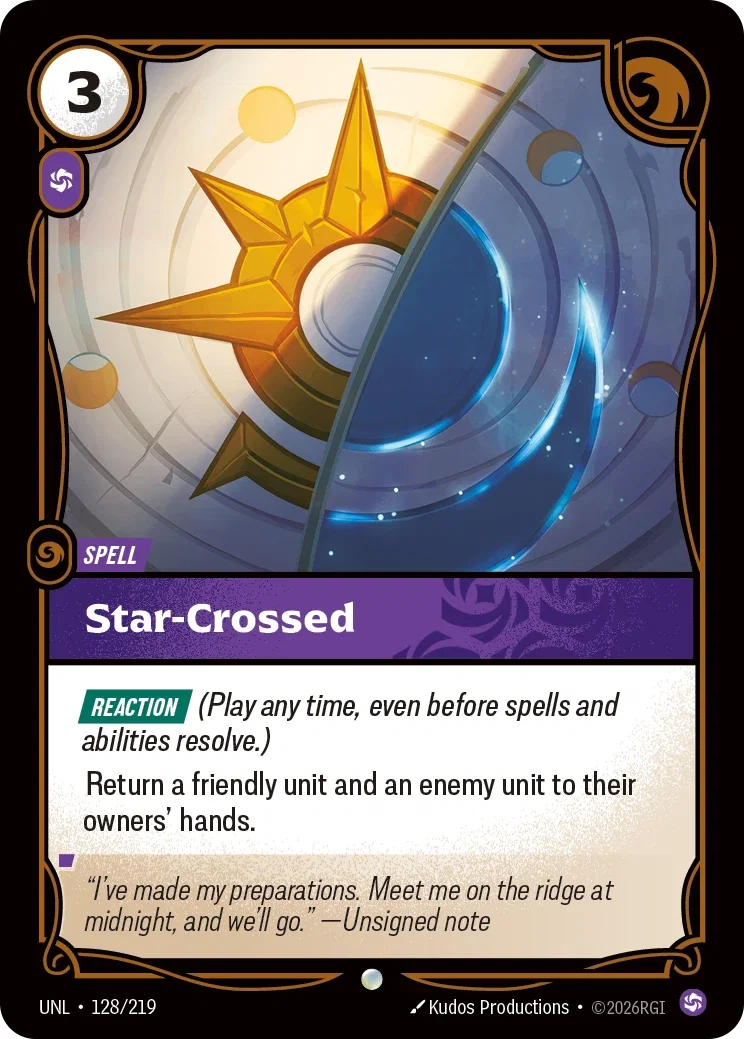
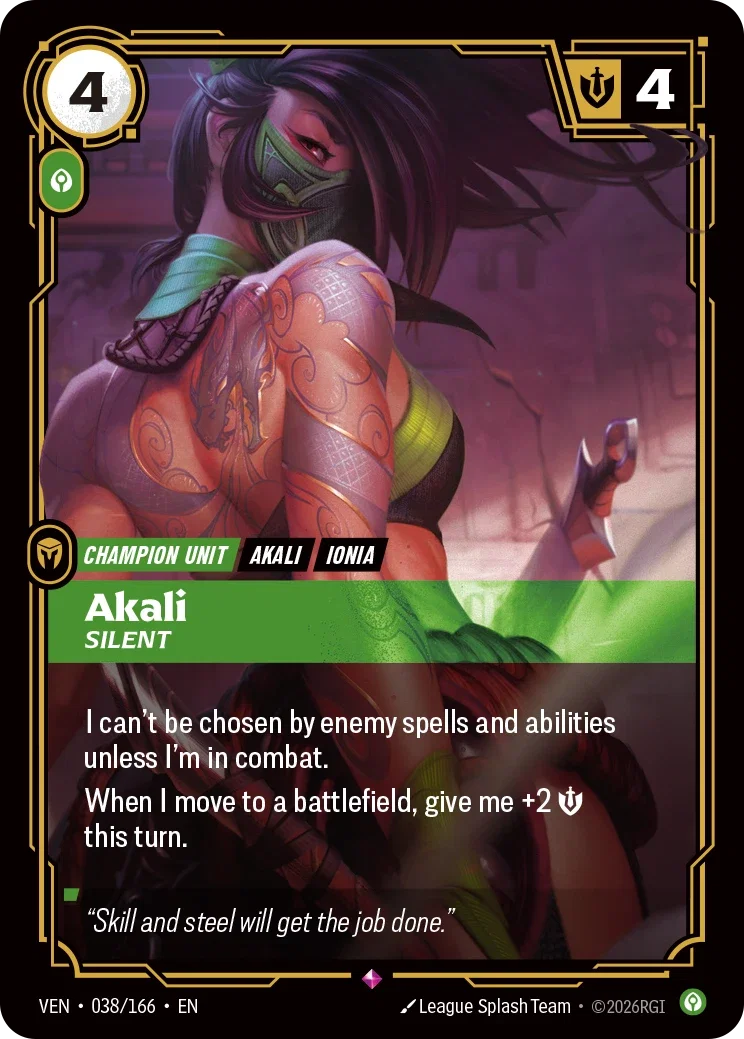
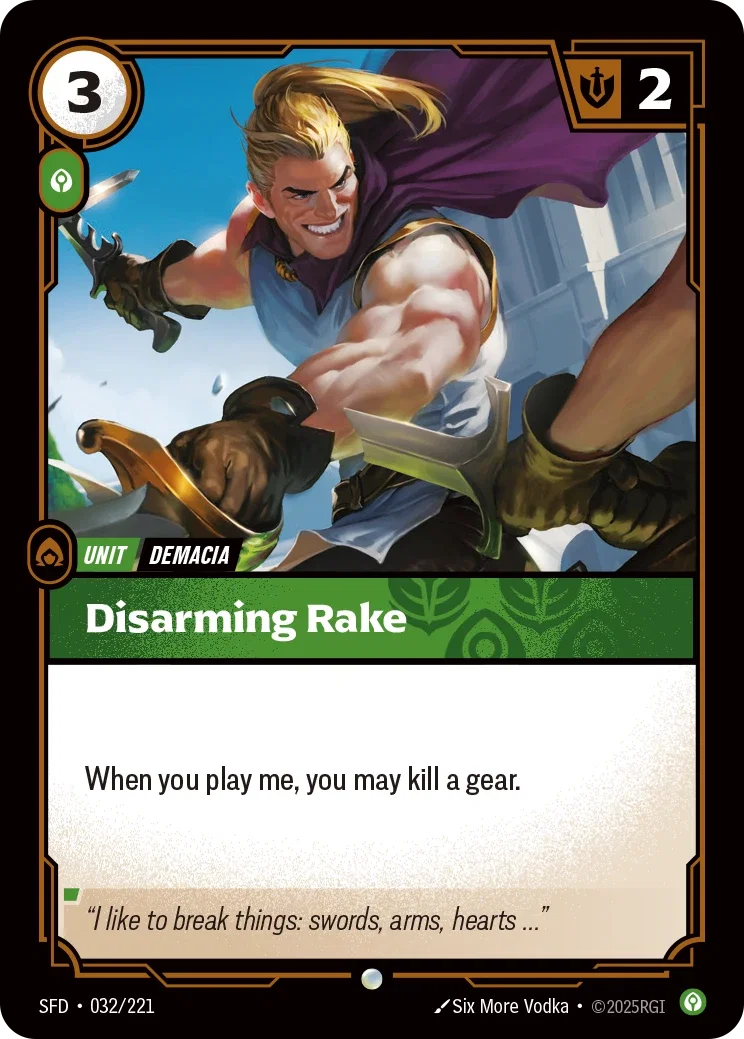
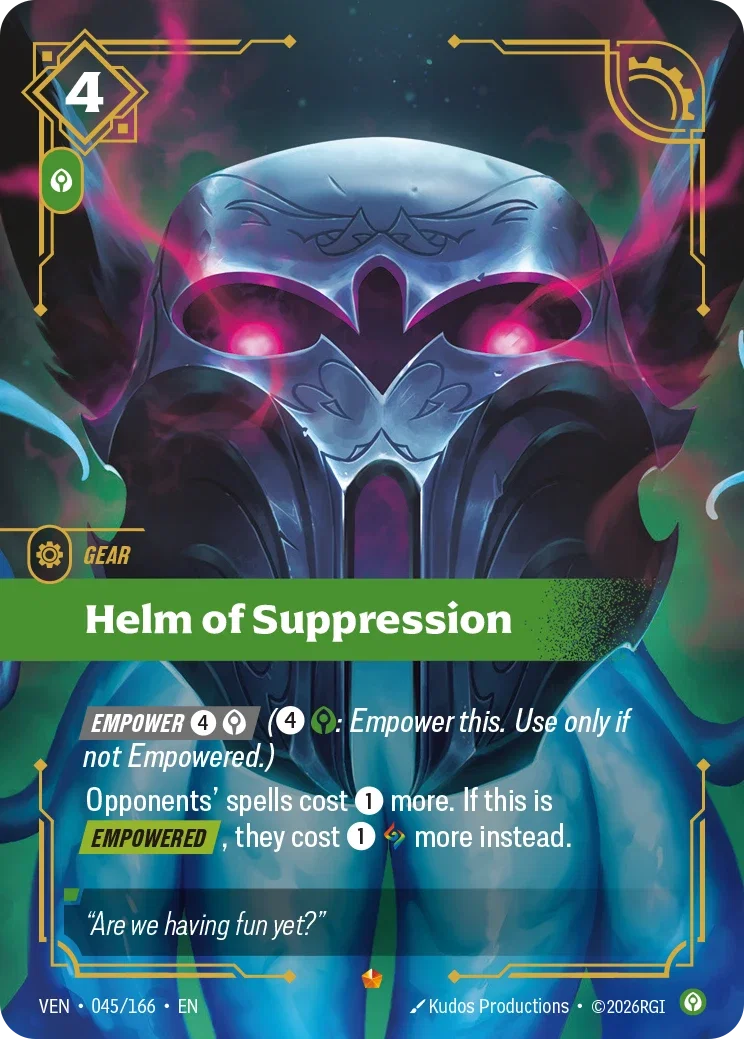
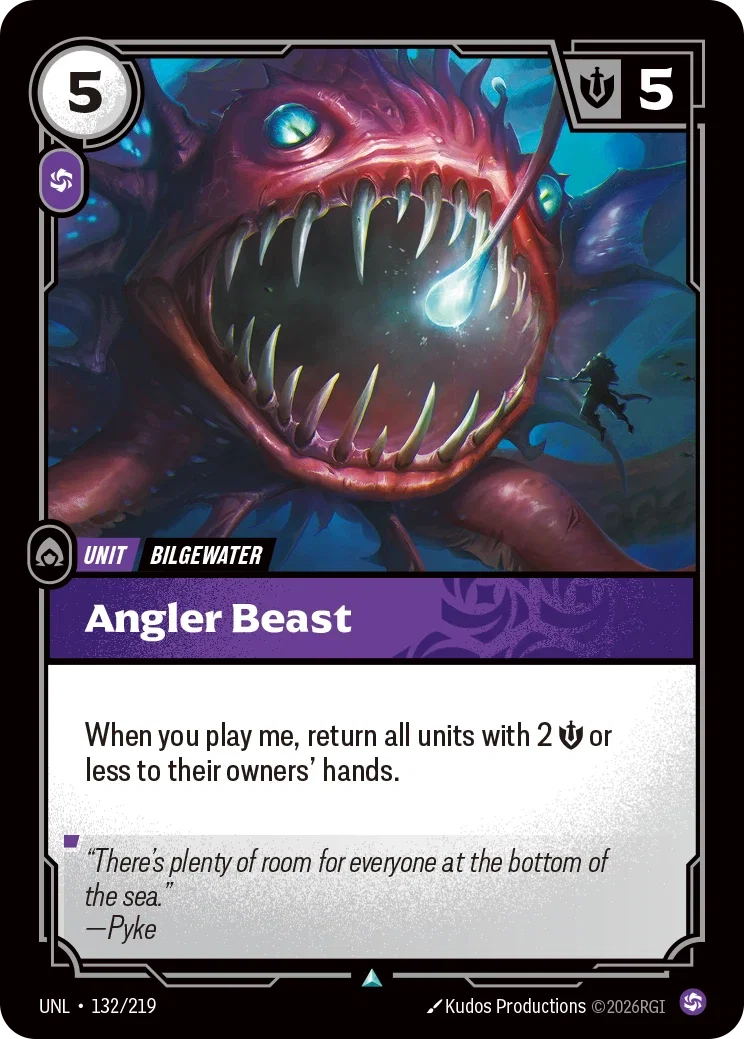
Akali is the best unit in the list. Yasuo only runs nine units, so selection is tight, but Akali constantly sitting at 6 might while attacking, forcing out answers and being untouchable in base makes her very hard to deal with. Seeing Scuttle most games is necessary, and mulliganing for it is worth it: it replaces itself and gives hand information that helps you plan and sequence the win. Those are the main conquering units in the Yasuo list; the rest are there mainly to make Defy useless.
With green making up most pairings, slinging spells will usually run into a counterspell, but on-play abilities are much harder to interact with. That is part of why counterspell play rates have declined, and it means unit abilities that also leave a body behind are far more useful in this format. The units I would add are purple units like Overzealous Fan as a 2-of, since it makes battlefields harder to take (the opponent has to send in a second unit) and is very annoying to deal with, plus one more Fizz, because seeing him is so impactful.
If you have not played 2v2 before, I strongly recommend trying it. It is a refreshing way to experience the same deck you play at locals. Just don't play Yi; he is banned for a reason. 2v2 is a very different game mode from 1v1 or Sealed. A lot of skill expression carries across, but a lot is also different. This section never quite fit anywhere in the guide, so here it is.
Something you may notice in the round-by-round breakdown is how often we describe opponents ending up in a position that gave us lethal. "Lethal" here means a position from which you can win the game. In 1v1 it is difficult to hand your opponent lethal, but it is far easier and more common in 2v2 because of how scoring works. As any avid Riftbound player does, we spent time after our matches talking to our opponents about how they ended up giving us lethal. In some cases we think this is what gave us such a high opponent win percentage heading into round 6. They are also very skilled players.
| # | Player | Pts | Record | OMW% | GW% | OGW% |
|---|---|---|---|---|---|---|
| 3 | JRB ColdPhnxTop 4 split | 16 | 5-0-1 | 71.3% | 88.9% | 71.3% |
When you conquer or hold a battlefield you score a point, just like in 1v1. A battlefield can only be controlled by one player, so teammates cannot both have units in the same location. Each team can score from each battlefield only once per turn, and you cannot score from a battlefield your teammate controlled during your beginning phase.
To win, reach 11 points by scoring from all battlefields or holding at least one. This means the earliest point total you can win from is 8. But if your teammate controls a battlefield you cannot score from it, so battlefields must be either open or controlled by your opponents for you to close the game.
In 1v1 constructed, every time your opponent passes and your runes awaken, you can score two points, one from each of the two battlefields (ignoring unit effects such as Ahri, Alluring or Yasuo, Windrider). 2v2 has three battlefields, so can your opponents score three points every time you pass? The answer, like most things in life, is "it depends". A battlefield can only be scored if your team did not control it during their beginning phase, so their scoring potential ranges from 3 points down to 0 if their teammate controls all three.
Knowing what to do with your resources, and when, is the difference between winning and losing in 2v2. Resources spent on your turn cannot be spent on your teammate's turn. Something that surprises many new 2v2 players is that you can pass priority to your teammate during your turn so they can play a slow-speed spell (yes, you can Time Warp on your teammate's turn), tap gear, or use a legend ability such as Yasuo's. The only things you cannot do on your teammate's turn that you can do on your own are: play units and gear, move units through non-movement spells or abilities, and hide cards. So spending resources to clear a battlefield can hand your opponent a scoring opportunity on their next turn that they would not otherwise have had.
Before you clear a battlefield, ask yourself or your teammate: can our opponents score from that battlefield when I end my turn?
Spending resources efficiently means more points from fewer cards and runes, which wins more games. If the answer is no, why spend resources clearing it now instead of on your teammate's turn? If your opponents just scored from a battlefield and passed to you, and you clear it by sending in a unit or casting a spell, you give them the chance to score from it again when you end your turn, rather than when your teammate ends theirs.
This is the biggest difference between 2v2 and 1v1: choosing what to kill and when lets you control how and when your opponents can score. Limiting their scoring lets you score more and lets your teammate score more. 2v2 is played best-of-one in 60-minute rounds, while 1v1 constructed is best-of-three in the same time. This mode is a marathon to 11 points, not a race. As we break down our matches you will see where opponents gave up points by clearing the wrong part of the board or scoring at the wrong time. Seeing 2v2 this way will also help you understand when to save resources rather than spend them on defence when they could be used to win.
The story does not start on Sunday with a celebration, but with the bitter motivation of defeat. JRB Endless came to Barcelona aiming for Best of Draven, which he clearly did not achieve. On Friday he brought Draven to the pre-regional challenge and ended the day at 1–4, with the single win coming from a no-show. Hoping for a confidence boost, he played Super Nexus Night, which was swiftly crushed after losing the first games and then getting two no-shows. The main event was not much better: a time draw to start the day and one win before dropping. Having won a single real game of Riftbound across two days, Endless was feeling defeated to say the least. Back at the apartment, he frantically called members of John Riftbound looking for cards and a teammate for 2v2 the next day. Thankfully, he found one.
JRB ColdPhnx, an Akali player, had exactly the green staples needed to build the Yasuo deck. They met at the venue the next morning and built and sleeved the decks at the same tables they would be playing at while Endless explained how 2v2 works. ColdPhnx had never played a single game of 2v2 before.
WinLethal on Yasuo's turnKey misplay: triple clear
Yasuo/Viktor was a matchup we expected going in. Viktor's recruits are essentially free draws for Draven when they are left on a battlefield, though spells such as Cull the Weak are scary if your unit count on board is low.
It was a surprisingly difficult round one. Viktor going last is scary: a turn-one Cull the Weak into making a recruit is a very strong start, and that is exactly what happened, killing a Scuttle from Yasuo and a Tideturner from Draven, followed by Viktor's legend making a recruit and Yasuo moving it in for a conquer.
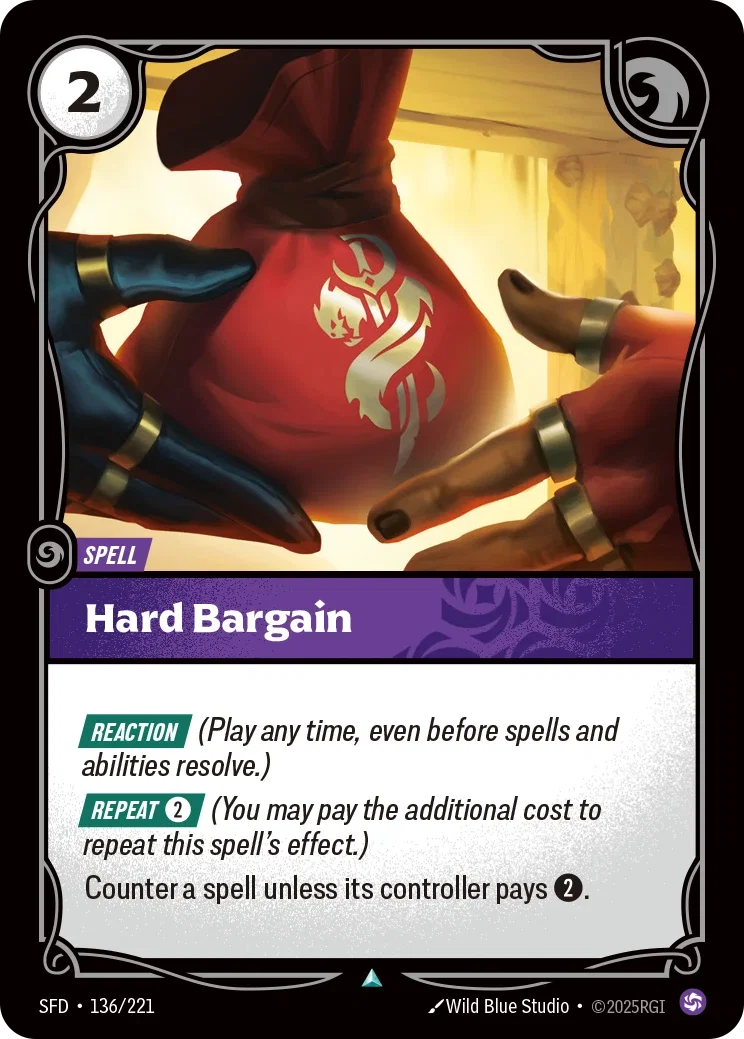
Scuttle's death knell was used on the Yasuo player, since they have the most interaction and Defy can limit your available lines. Thankfully the Yasuo had no counterspells.
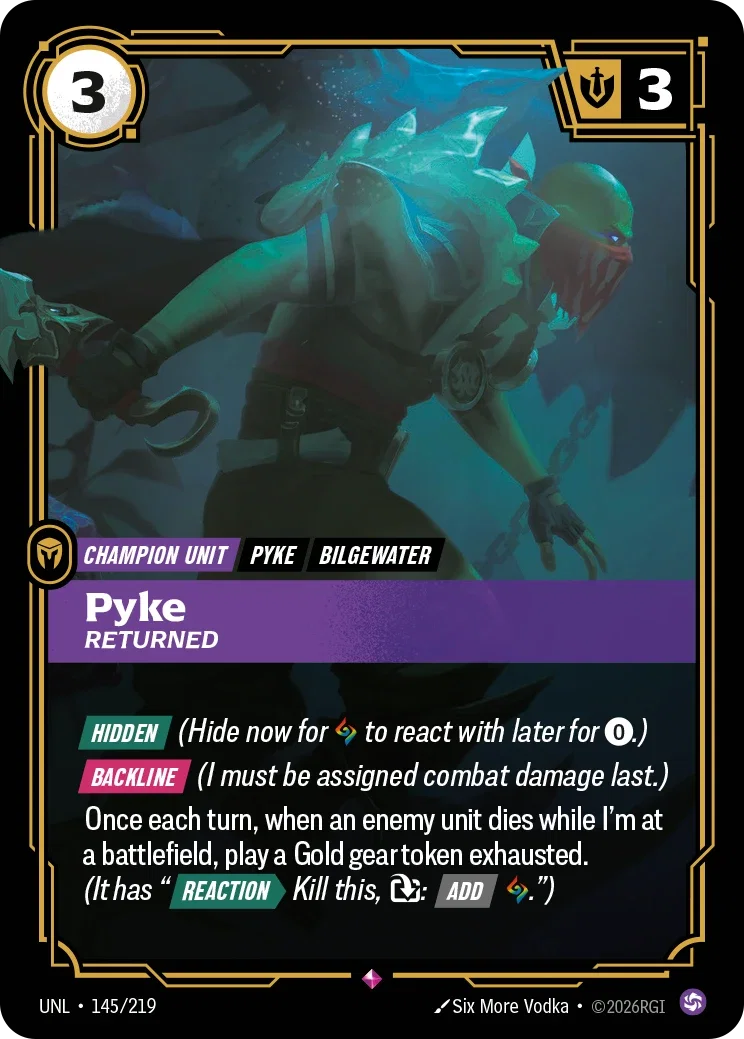
Over the next turns we were forced to develop: playing Overzealous Fan, moving it to a battlefield with Yasuo's legend, and hiding a purple Pyke as insurance against Cull the Weak. Viktor kept using kill spells while we kept growing a material advantage by hiding units at battlefields, until the advantage was so overwhelming that we developed into a triple conquer to 5 points, then held to 8, with Draven holding up two energy for an Abandon in case of Imperial Decree.
With Draven holding to 8, the fastest route to a win for our opponents was for Viktor (next to act) to clear the battlefields and use the remaining resources to triple conquer with an Akali that their Yasuo had developed in base. Instead they spent a large amount of resources (Gust for 1, Wages of Pain for 3, and Yasuo's legend for 2) to clear all three battlefields and score from two of them to 7 points. This was ultimately a misplay: it gave us lethal on Yasuo's turn instead of Draven's, while not getting them to 11 any faster. The better play was to clear a single battlefield and protect it so we could not win on Yasuo's turn, or to do the clearing on their Yasuo's turn to delay our lethal until Draven's turn.
We executed lethal with an Akali from base.
WinLethal via ShowboatOnly non-Yasuo pair we faced
Note: what really helped here was that Yasuo still had units, because our opponents spent most of their resources dealing with Draven's units.
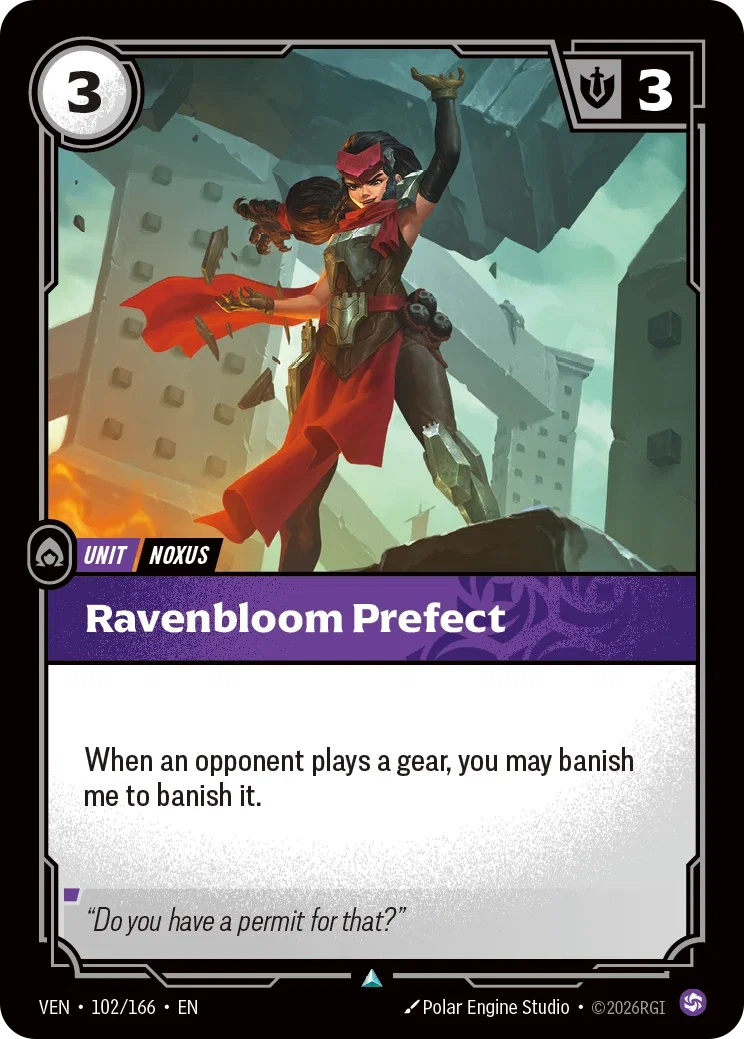
This was the only non-Yasuo team we faced all tournament. Irelia is a very strong support deck: her legend readies friendly units, and units such as Akali, Silent and Irelia, Fervent are strong mid-to-late-game threats if the team falls behind.
We chose Yasuo over Irelia for several reasons. Irelia's legend costs a power, so you have to play an incredibly low-to-the-ground green deck that is already power-hungry from running counterspells. You also have to choose a friendly unit with a spell or ability to trigger it, so you end up spending a card and a power to move a unit, where Yasuo does a very similar thing for 2 energy and no card. Obviously Irelia has some of the most aggressive draw in the game if she finds the right pieces with Stellacorn; anyone who has played against Irelia knows the feeling of playing around a seemingly endless hand.
The matchup could have been worse. Winning the die roll and making Irelia go first puts them in a difficult position: two runes and no draw on turn one makes the legend very expensive.
The first few turns saw our opponents developing, which is standard for Irelia switching on in the mid-to-late game, while we conquered and pushed tempo into the midgame at 4–1. This game was ultimately decided by Endless's knowledge of 2v2, as there were several judge calls over key decisions, covered at the end of this section.
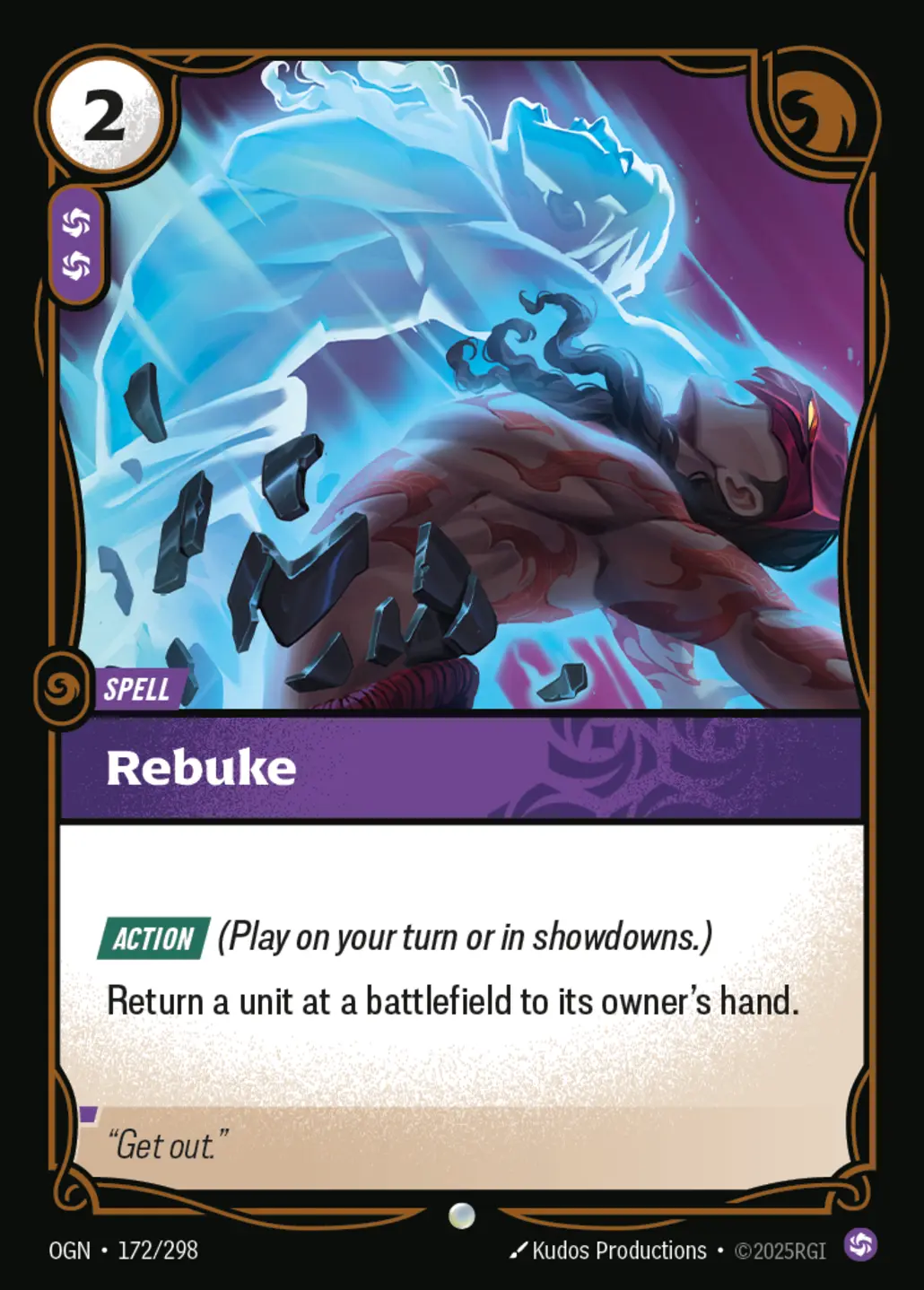
The game reached a point where our Yasuo was holding one battlefield with an Akali, Draven was holding another with a Treasure Hunter, we were on 8 points, and Draven was next to act with two units in base. The opposing team had three options, listed from best to worst: (1) attempt to hold the empty battlefield, (2) fight the Treasure Hunter, (3) fight the Akali. If they spent resources killing the Akali, we hold to 9 and double conquer with the units in base to win. If they kill the Treasure Hunter, we have to Rebuke our own Akali during the showdown so Draven can conquer all three on his turn and score the winning point.
They chose the worst of the three, burning resources to kill the Akali and putting Draven into lethal range by holding one battlefield and conquering the open one with the two units in base (a Noxus Hopeful and an Overzealous Fan). On the last battlefield they had an Akali with a hidden card, most likely a Tideturner, and nothing in base. We played Draven, Showboat from the champion zone into base at 13 might thanks to our current points, had Yasuo move it to the battlefield, and with Draven holding two for an Abandon and Yasuo holding one for a Defy we were fairly certain they could not get over it.
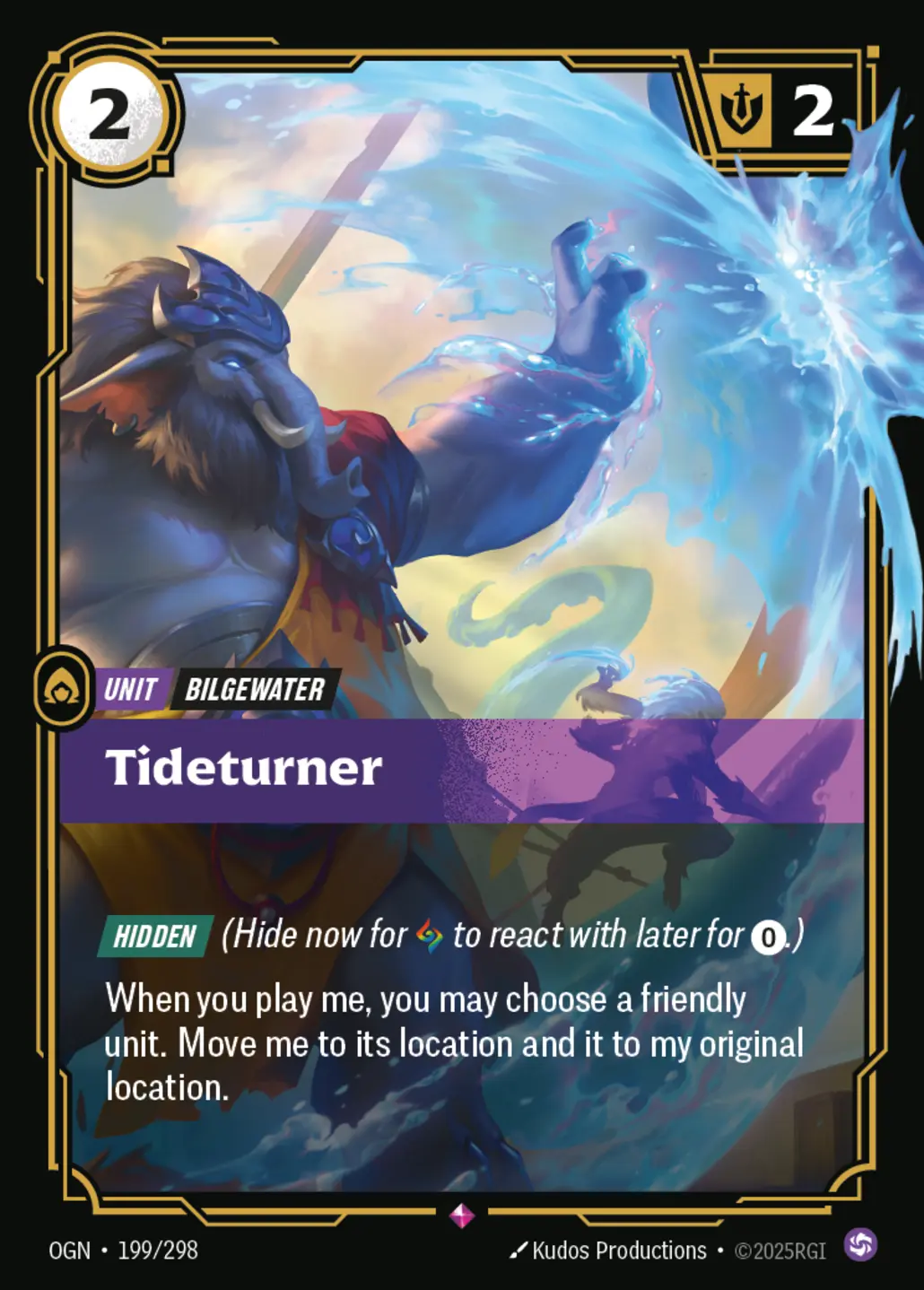
Old text: "When you play me, you may choose a friendly unit. Move me to its location and it to my original location."
New text: "When you play me, you may choose a unit you control at another location. Move me to its location and it to my original location."Tideturner cannot target a teammate's unit to move it to base. Bases are also separate locations, and you cannot have a unit you control in your teammate's base. This is a common and widely misunderstood interaction in 2v2.
Old text: "Move a friendly unit to or from your base."
New text: "Move a friendly unit to or from its base."Under the old text you could not move a teammate's unit. This errata was interesting because the judges struggled to find it: it is filed under "Unforgiven" rather than "Yasuo". Gentle reminder that the Sunday 2v2 event is a high-OPL event and all players are expected to know the errata on their cards. Errata matter even more in 2v2 than 1v1, because changing "your" to "friendly" (or vice versa) can completely change how a card interacts with the board.
WinJhin trade into snowball
This combination was more popular than we had expected going in. It is one we have not fully explored, as we suspect there are better partners for LeBlanc than Yasuo.
The game started as you would expect: LeBlanc developing a Soaring Scout and Yasuo moving it to a battlefield, while Draven developed two-drops. The game came down to Draven's second turn. Having gone last overall, he was now on five runes. Our opponents had tapped out and left LeBlanc, Everywhere All at Once alone at Windswept Hillock. Blue LeBlanc is a unit we have to remove as quickly as possible: it generates a lot of value, and unlike its yellow counterpart it cannot be replayed from Glasc, Mixologist. We played Jhin for four energy and a power and moved him in with Yasuo's legend to trade. The units traded, but we were reimbursed an energy and a power from the Jhin move, letting us hide a Pyke and develop a Noxus Hopeful essentially for free. We snowballed from there, eventually drawing into Gusts and Star-Crosseds to bounce their units to hand and leave zero-might reflection tokens on the battlefields, which are just free draws for Draven. From that position we closed the game comfortably.
WinVilemaw's Lair blanks Akali
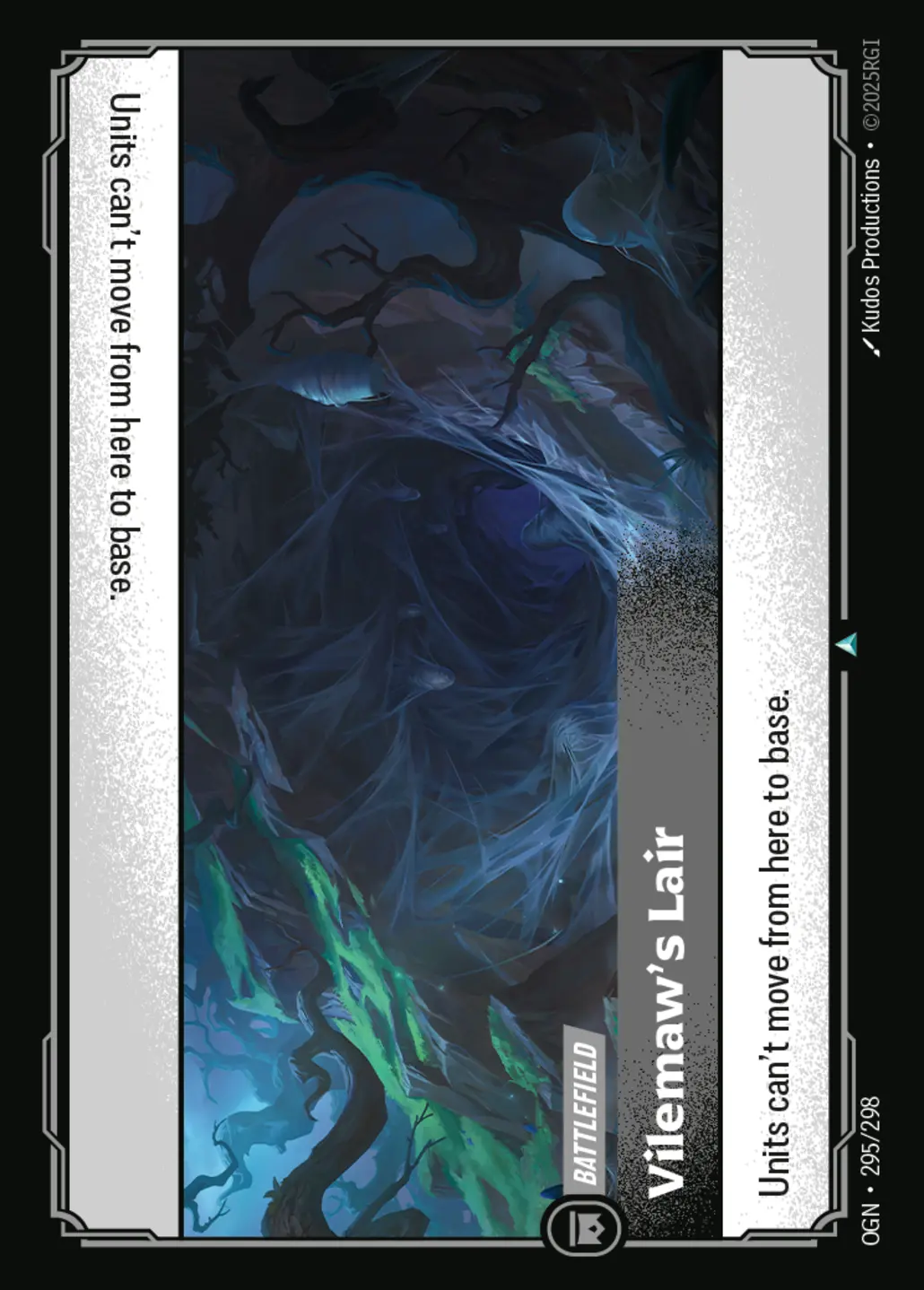
Everyone needs a little luck at a tournament. Ours came in this round with the random battlefield selection: Vilemaw's Lair was chosen, which essentially neutralised the Akali legend ability.
This should be a good matchup for Draven anyway, since attacking a battlefield Draven controls and triggering Akali's legend is essentially a free draw for Draven. Our Yasuo player had practised Akali going into the RQ, so he knew the matchup well. The plan was to hold as many battlefields as possible so the carry (Akali) had to invest resources into conquering and could not conquer and develop a Heron in the same turn. Heron is the main threat here, just as in 1v1, except you have three opportunities to use it before your runes awaken.
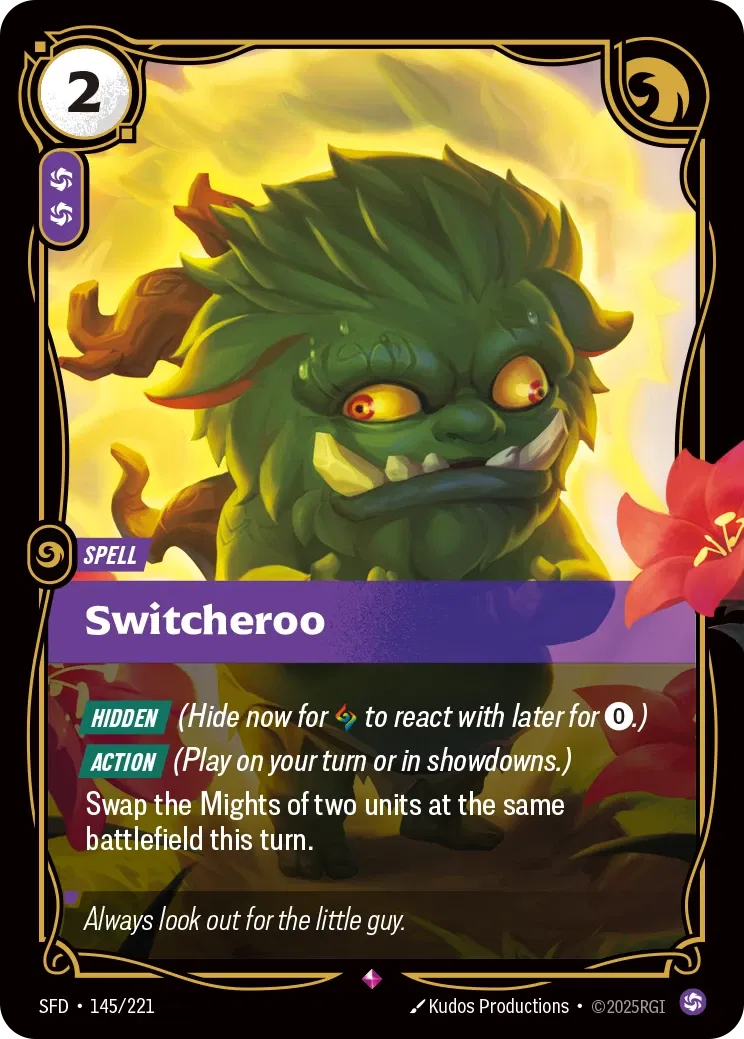
The plan worked. Our Yasuo player knew the Akali deck well enough to judge when to spend resources defending a position and when to let them conquer. They invested heavily into killing our units, which left us with the resources and units to retake battlefields on either Draven's or Yasuo's turn and out-tempo them in points per rotation. We closed the game through Rebuke, Switcheroo and Tideturner's on-play effect, none of which can be Defied, either because of their cost or, in Tideturner's case, because it is a unit effect rather than a spell.
WinVoid Assault blowout
This matchup had worried us going in. Matt and Dan play 2v2 in Utrecht and had been blown out by a Kha'Zix/Diana combo. Kha'Zix's signature spell is particularly scary in 2v2 because it gives them control over how showdowns start, what to fight and when. It can also be replayed easily with Fizz, so once it has been played they can threaten it again.
Early on, the priority was playing around Kha'Zix's strongest units. Kha'Zix, Mutating Horror from the champion zone is a large early threat, as is Rengar later on. Turning off Kha'Zix's attack-and-defend trigger, or fighting around the threat of Rengar, was essential.
Mulliganing aggressively for a two-drop unit mattered a lot here. Yasuo never lacks a turn-one play as long as Draven finds a unit, since Yasuo can always move Draven's unit to a battlefield. Developing a unit also matters in case they find Irresistible Fae-Folk, which can easily kill one of Draven's units.
Kha'Zix did drop Irresistible Fae-Folk, so we developed a Treasure Hunter, meaning we gained something back even if they moved one of our units. As expected, Kha'Zix moved the Treasure Hunter and dropped the Kha'Zix champion unit on top, tapping out. That let us Ride the Wind across to another battlefield for another gold. Holding to two the following turn, then moving the Treasure Hunter to base with Yasuo's legend and back out to another battlefield, we got to 3 points against their 1, with enough gold to never worry about de-ramping for the rest of the game.
Bounce spells and Fizz became more important heading into the midgame: even if they replayed their Ambush units, the power cost meant they had no interaction on our turns. We snowballed the point lead from there, scoring on both players' turns while they were moving units to base for ready battlefields and moving them back with Yasuo.
We worked out their game plan early: use both legend abilities to fully control which units went where, with Kha'Zix moving units to base and Yasuo moving them to a battlefield. Once we understood that, we could let them spend the resources to set it up and then blow them out with a Fan sending the unit back to base to leave the battlefield clear for a teammate, or with Rebuke or Switcheroo to bounce or kill it. The low amount of material on their side, and the high cost of it, meant we could out-score them and force them to spend resources stopping us rather than achieving their own goals.
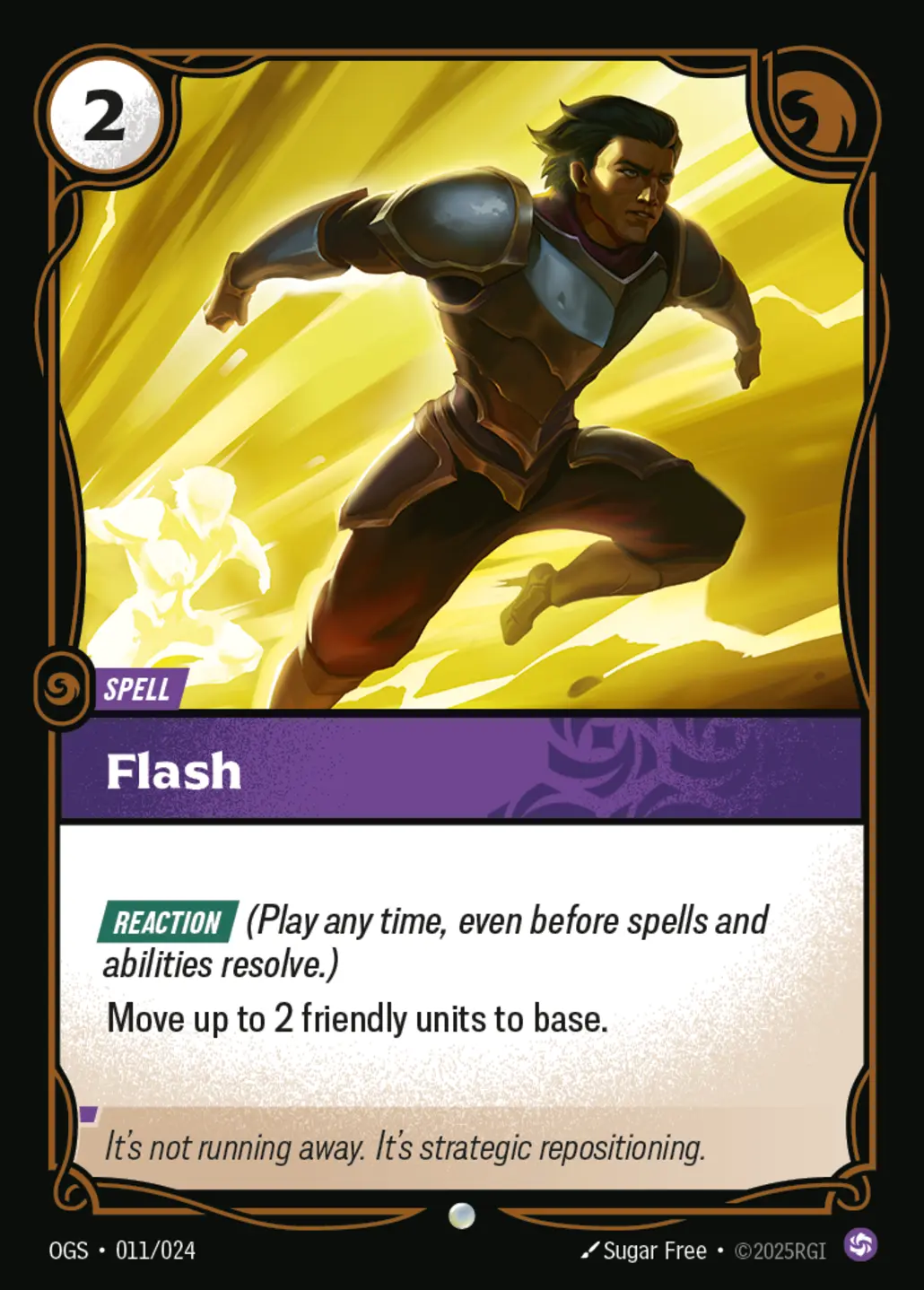
Ultimately Void Assault won us the game. We were holding two battlefields from the previous rotation. Kha'Zix moved a Treasure Hunter to the battlefield his Kha'Zix was on and a Fizz into the other, then reacted to their own Void Assault by playing a Rengar where the Treasure Hunter was. We Switcheroo'd the Kha'Zix and the Treasure Hunter for an extra point in the first showdown, Rebuked the Rengar in the second, and Gusted the Fizz in the third, leaving everyone tapped out.
This match was won because both the Kha'Zix and Yasuo lines were very telegraphed and we knew exactly what we needed to answer, letting us maintain strong point tempo until we closed the game.
ID1st on tiebreaks71% OMW
After five straight wins only six teams remained undefeated. Team John Riftbound sat in first on tiebreakers with an opponent win percentage of 71%, the highest in the tournament at the time, and chose to ID into top cut. A few teams played it out, while another was disqualified after some controversy and miscommunication around whether or not to ID.
Written by John Riftbound. Published by The Magma Chamber · 2026-09-01